Snow in South Africa is not a given. It doesn’t happen on schedule, it doesn’t send you a calendar invite, and it doesn’t wait for the weekend. When the forecasts started pointing at Matroosberg in the middle of July 2021, we moved fast.
Alarm set. Flasks filled. Go.
The Drive Up — 4 AM and Pitch Black
There’s a version of this trip where you take the Du Toitskloof Pass in the dark and enjoy the mountain scenery. We didn’t do that version. We went through the tunnel at Paarl, which is the sensible call at that hour on a cold July morning.
On the other side is the Rawsonville valley — vineyards, mountains, a road that twists through one of the prettier stretches of the Western Cape. We wouldn’t know. It was dark. The headlights picked up a few bare winter vines and nothing else. We just kept moving.
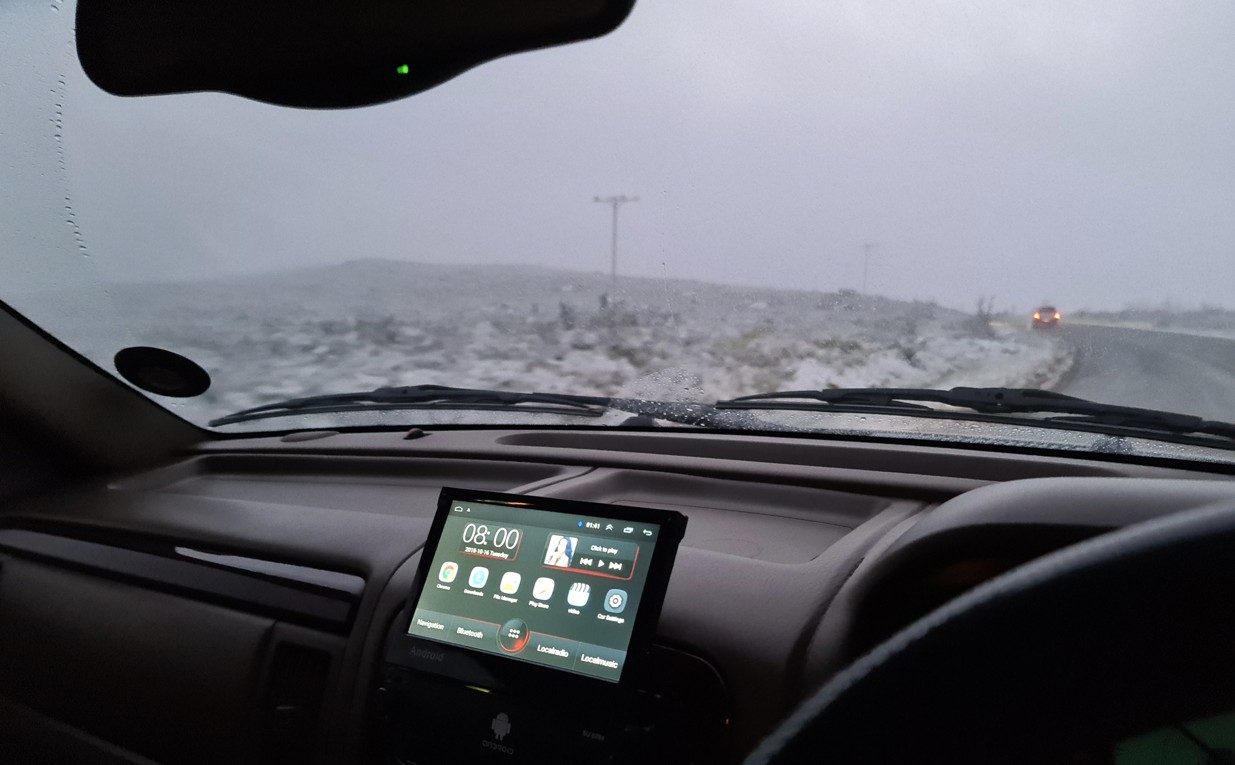
Through Worcester, north toward Ceres, and then the road starts climbing. The temperature on the dash was dropping. By the time we hit the Hex River mountains proper it was reading single digits.
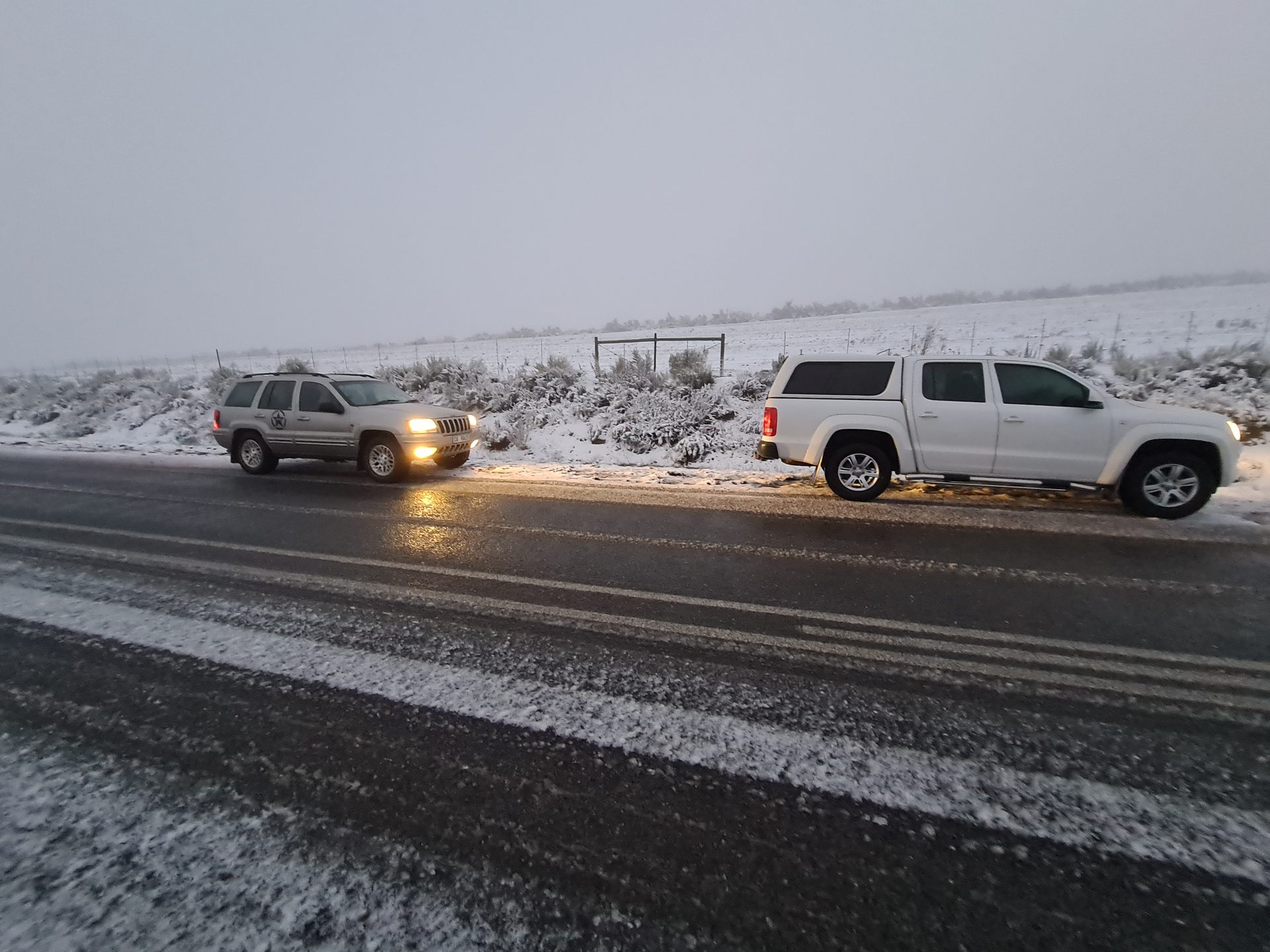
The first sign of snow came before we even got to the reserve. Just a white line on the ridgeline above us — easy to miss if you weren’t looking for it. We were looking for it.
Arriving at Matroosberg
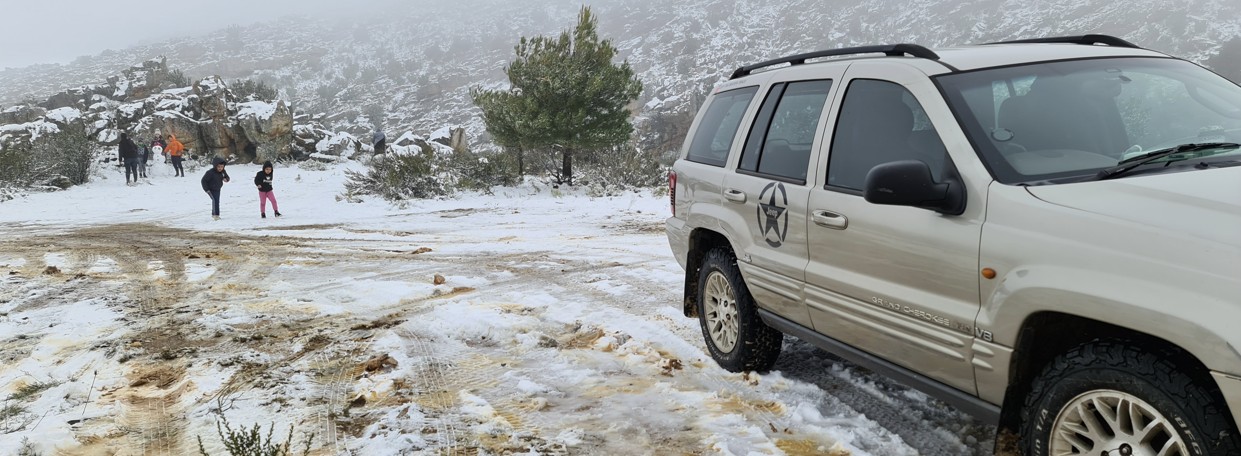
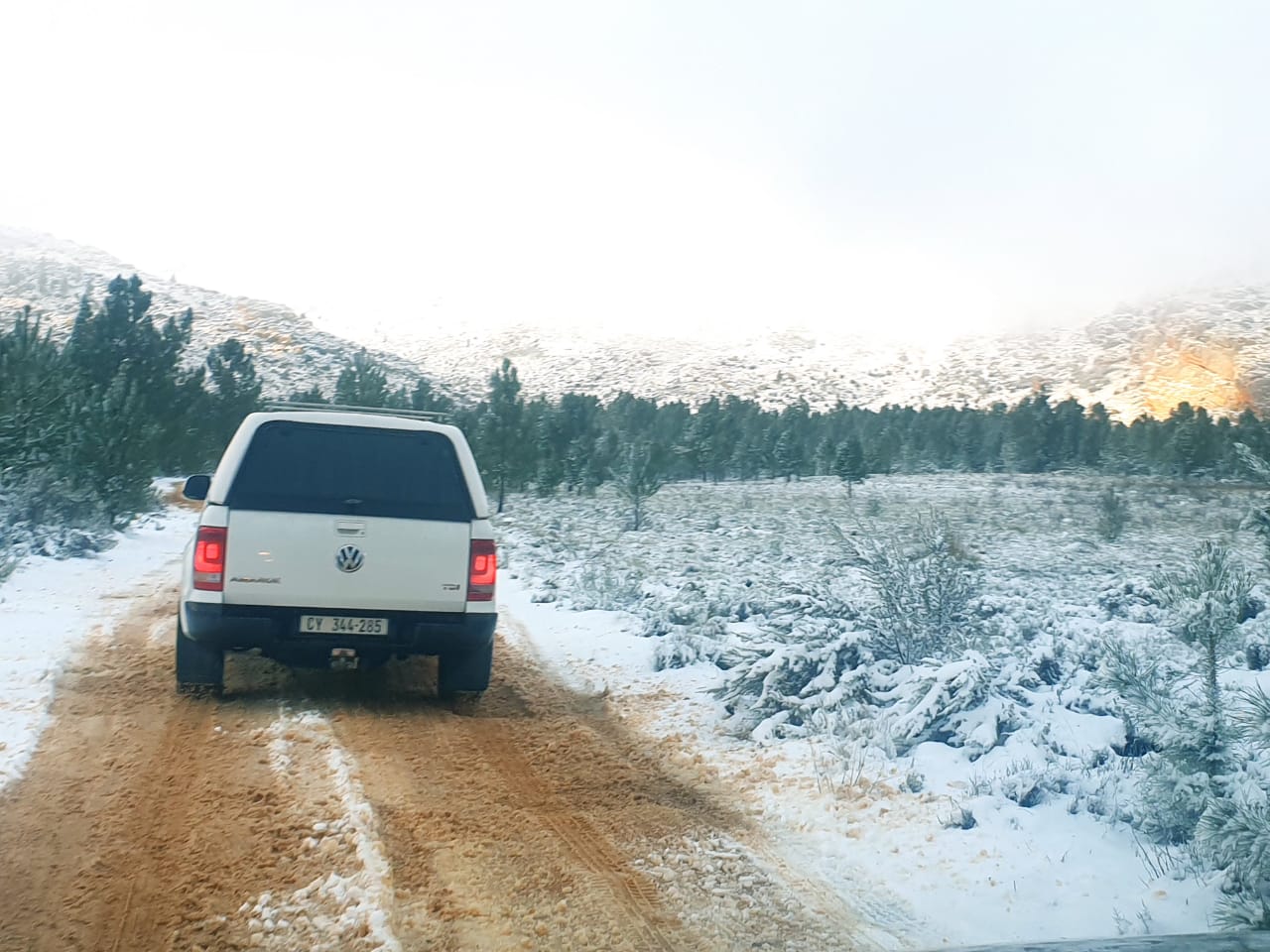
Matroosberg sits at 2,249 metres — the highest peak in the Western Cape. The nature reserve sits below it, accessed via a rough gravel track that you wouldn’t want to attempt in a standard sedan even without snow. With it, you want ground clearance and tyres that can handle loose, slick ground.
We had both.
The closer we got to the reserve, the more snow there was. Not trace amounts — proper snow. Deep enough to crunch underfoot, wide enough to cover the whole landscape from the valley floor up to the peaks.
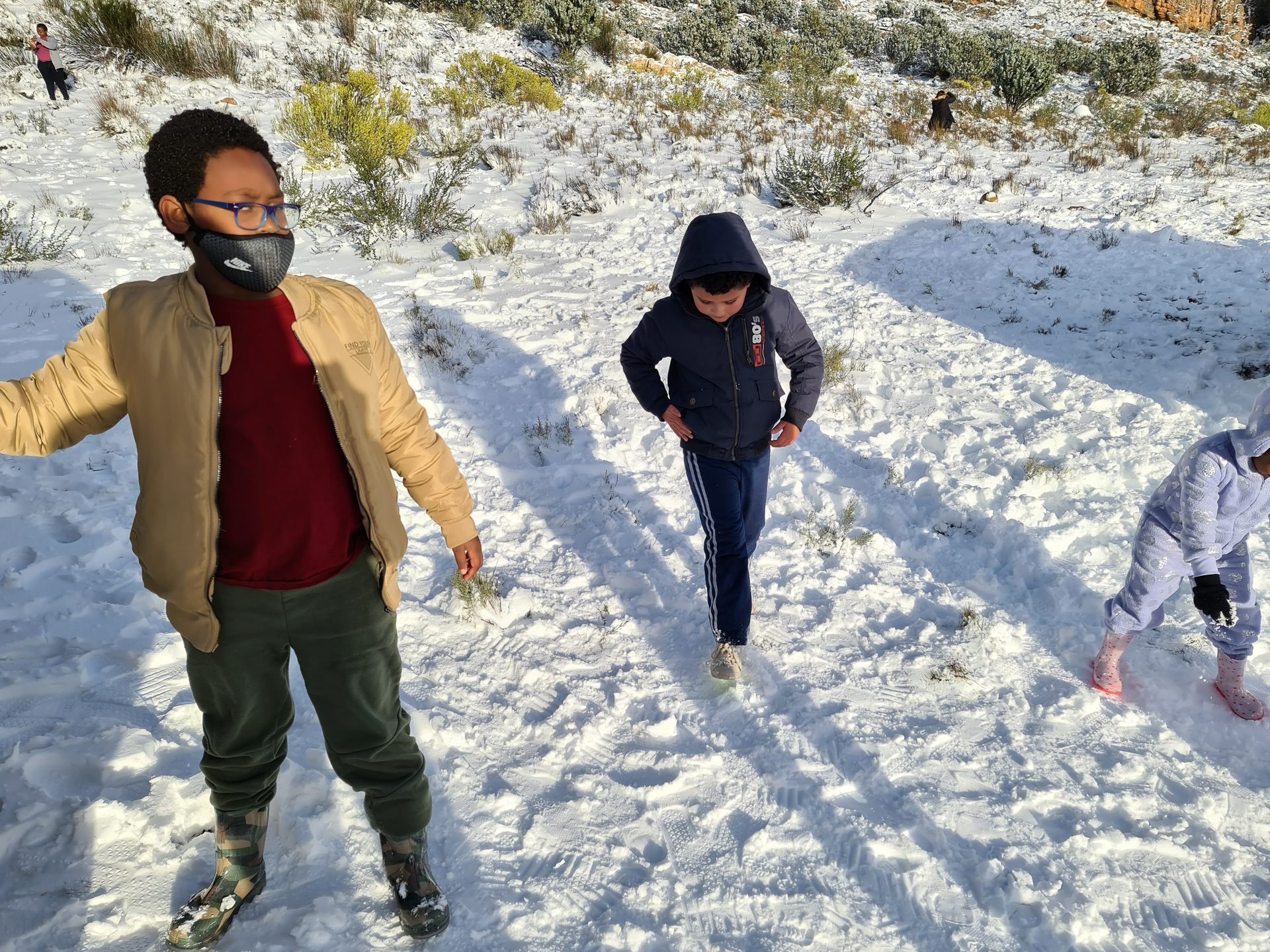
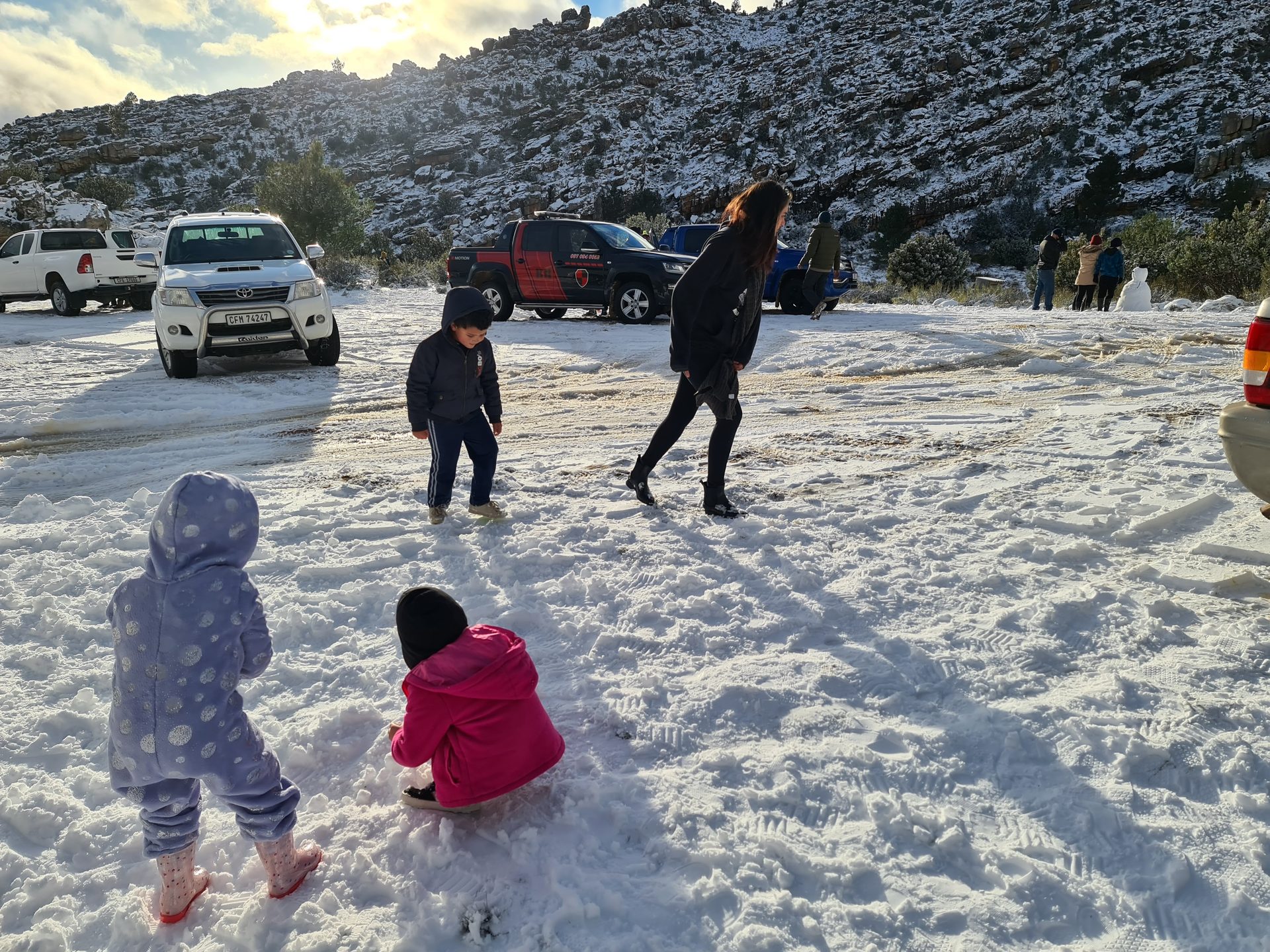
The light was doing what winter light does in the Cape mountains — low angle, crisp shadows, everything slightly blue. It was worth every kilometre of the dark drive to get here.
In the Snow
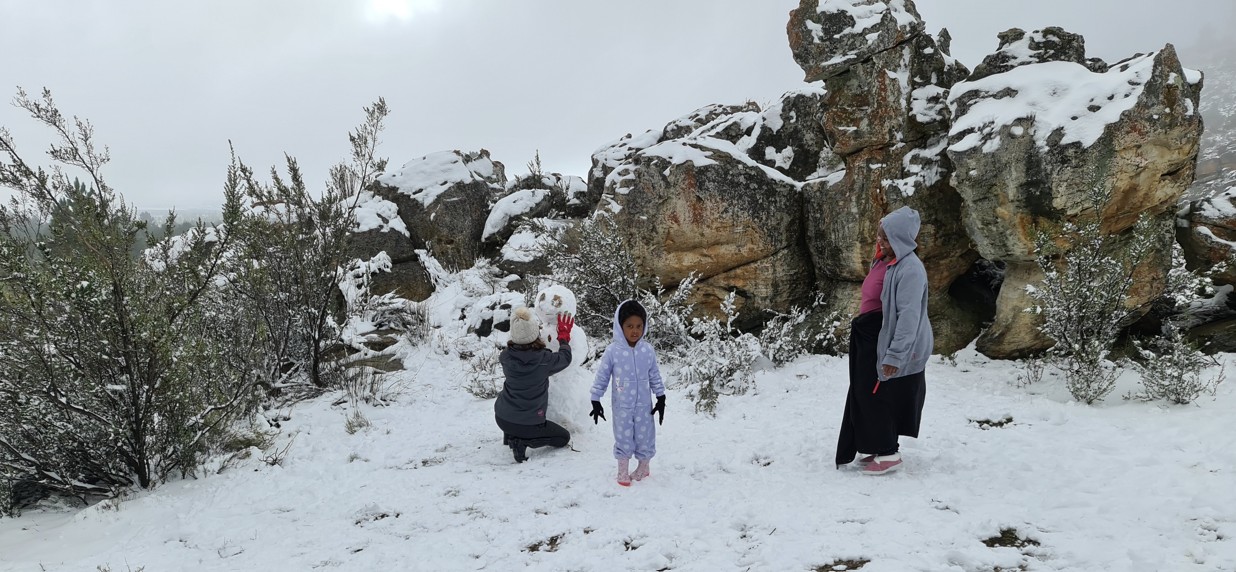
There’s not a lot of planning involved once you’re actually standing in it. You walk around. You take photos. Someone inevitably starts throwing snowballs. The mountains look enormous and very white and you feel small in the best possible way.
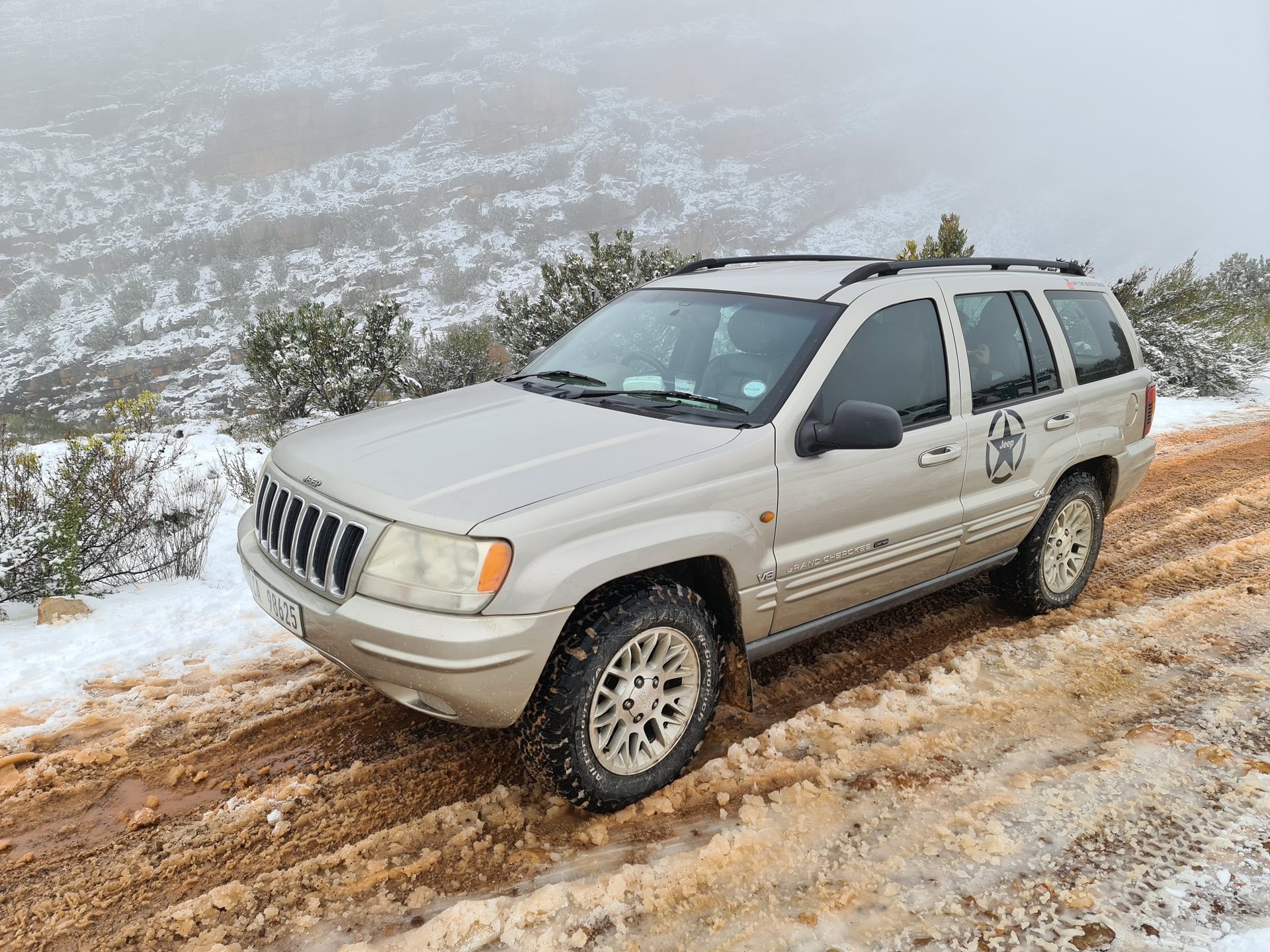
Matroosberg in winter is about as far from the usual Western Cape beach-and-winery circuit as you can get. The same province, a completely different world. The air is thin and cold and very still. There’s no wind at this hour. The only sound is boots in snow.
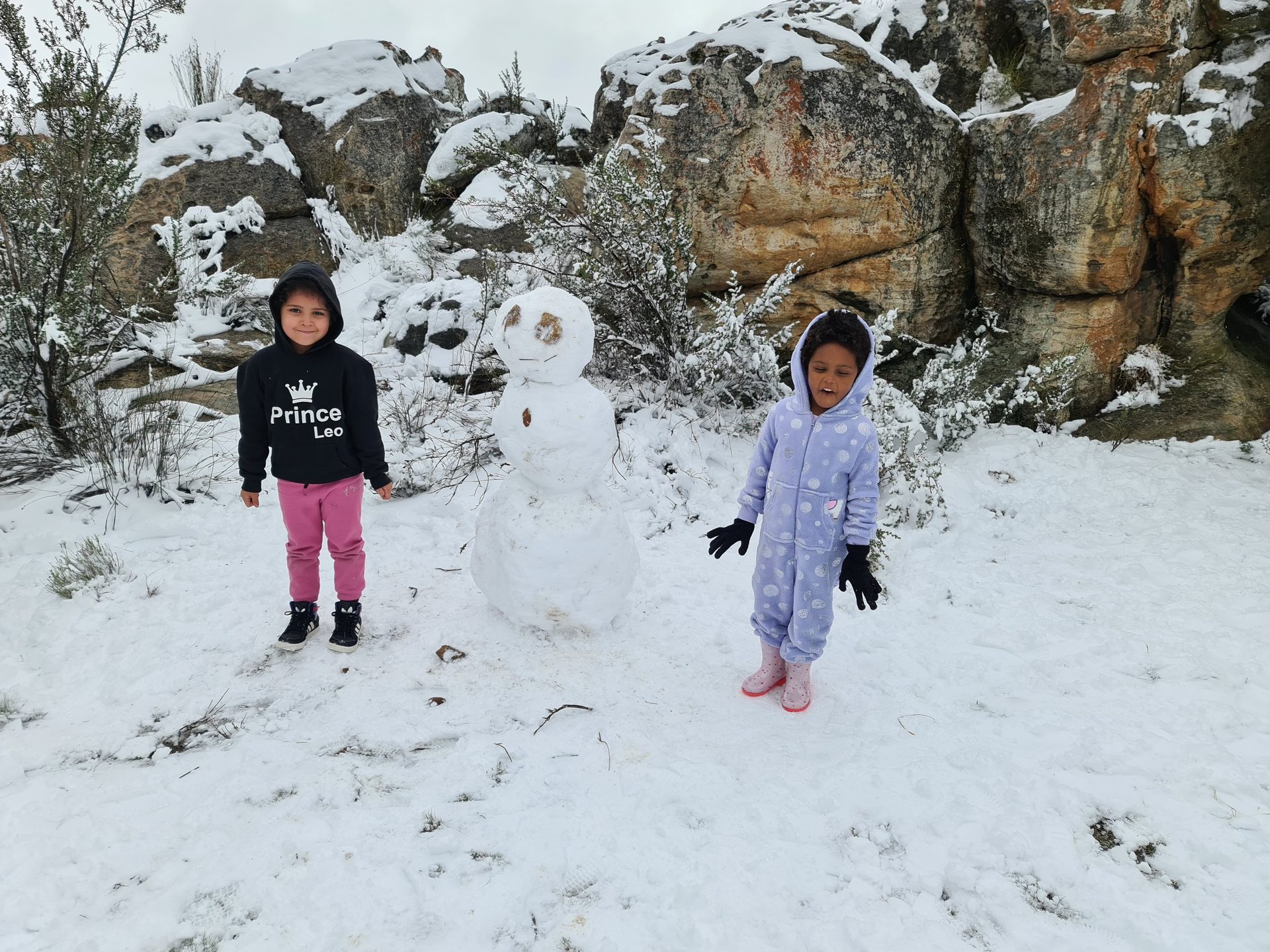
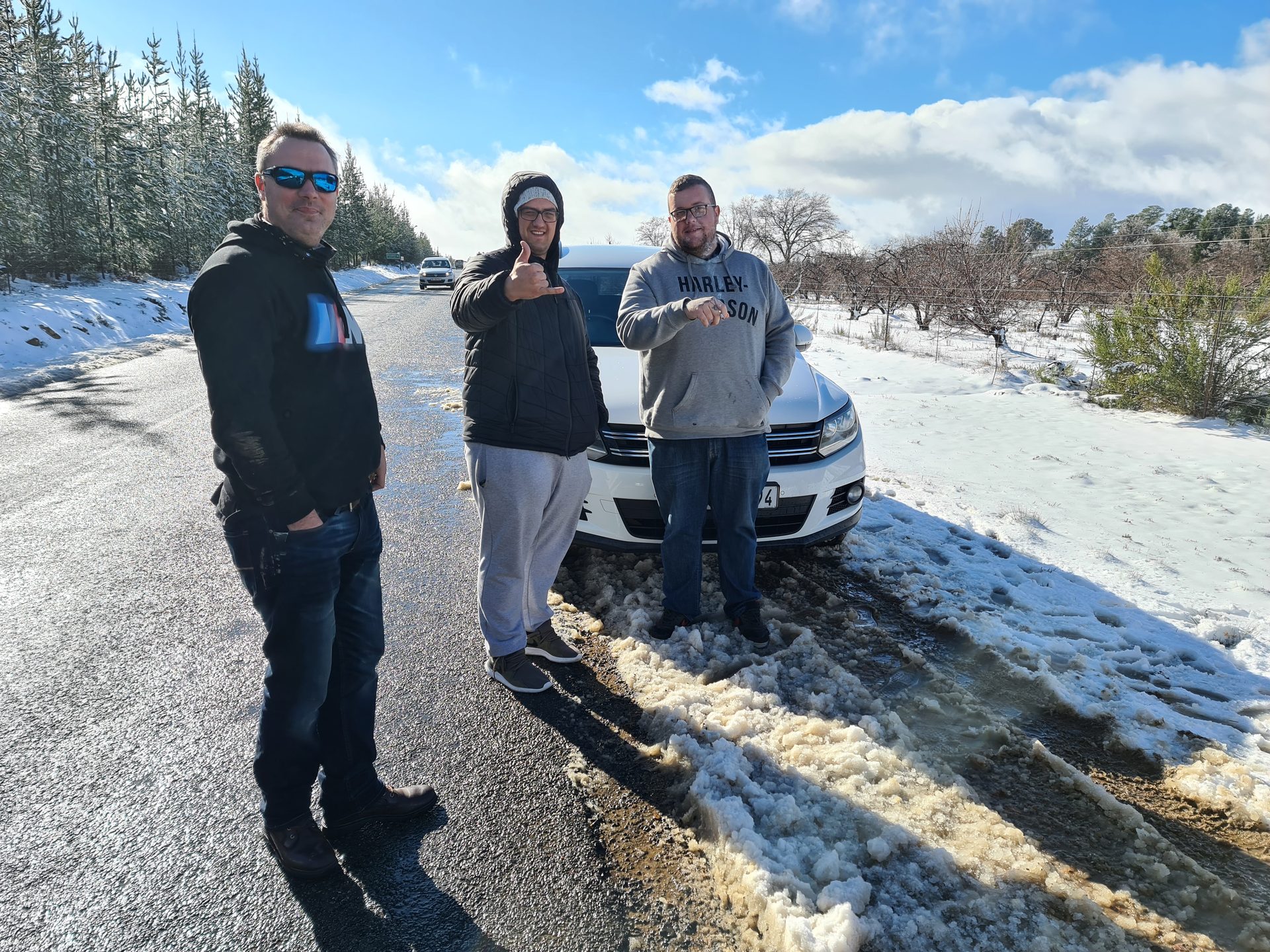
By mid-morning the sun had come up properly and the snow was starting to soften at the edges — the top few millimetres going wet and sparkly. You don’t want to wait too long. The Cape sun doesn’t respect the cold.
The Group
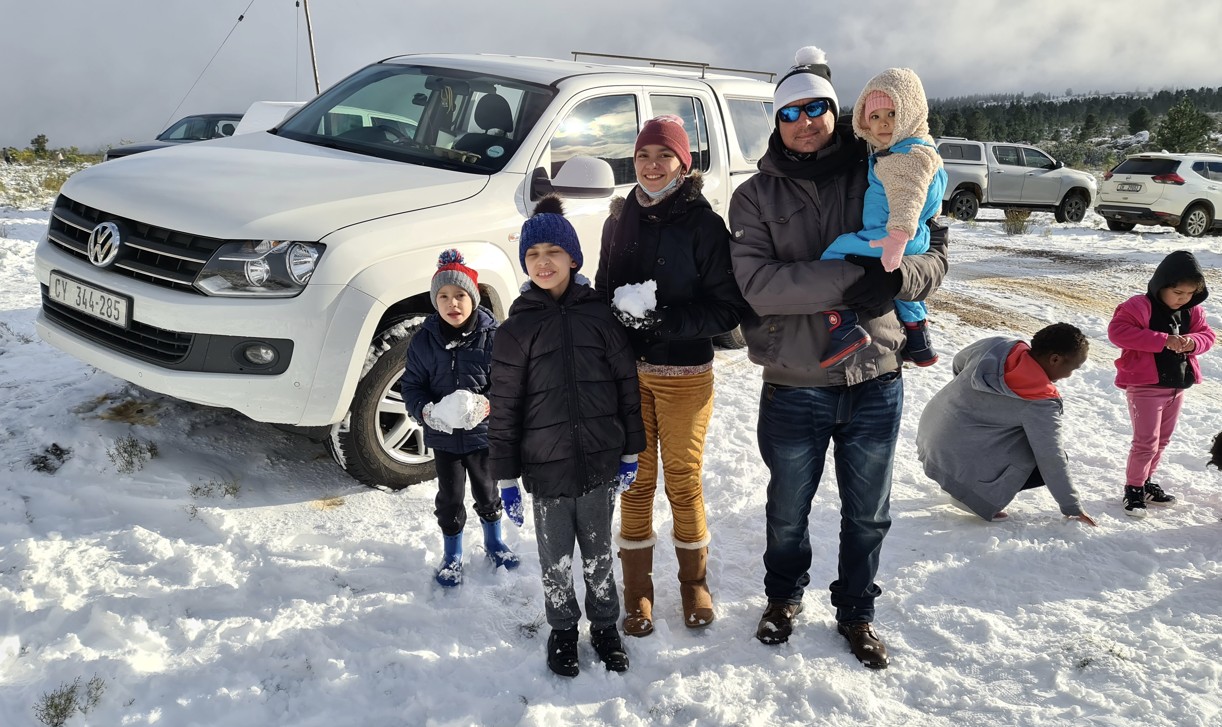
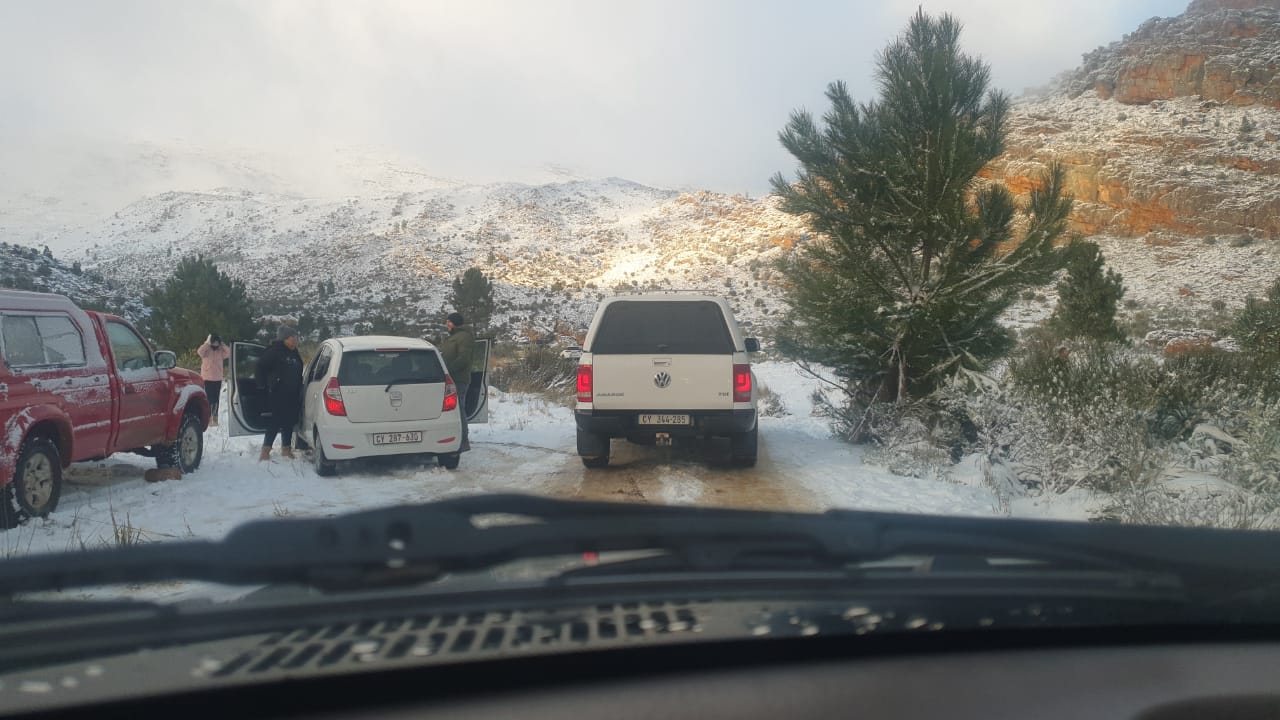
We weren’t the only ones who’d had the same idea. The reserve had a handful of other vehicles — families, a couple of other 4x4 groups, people who’d driven through the night from Cape Town and further. There’s a particular kind of easy camaraderie that comes with shared early alarm clocks.
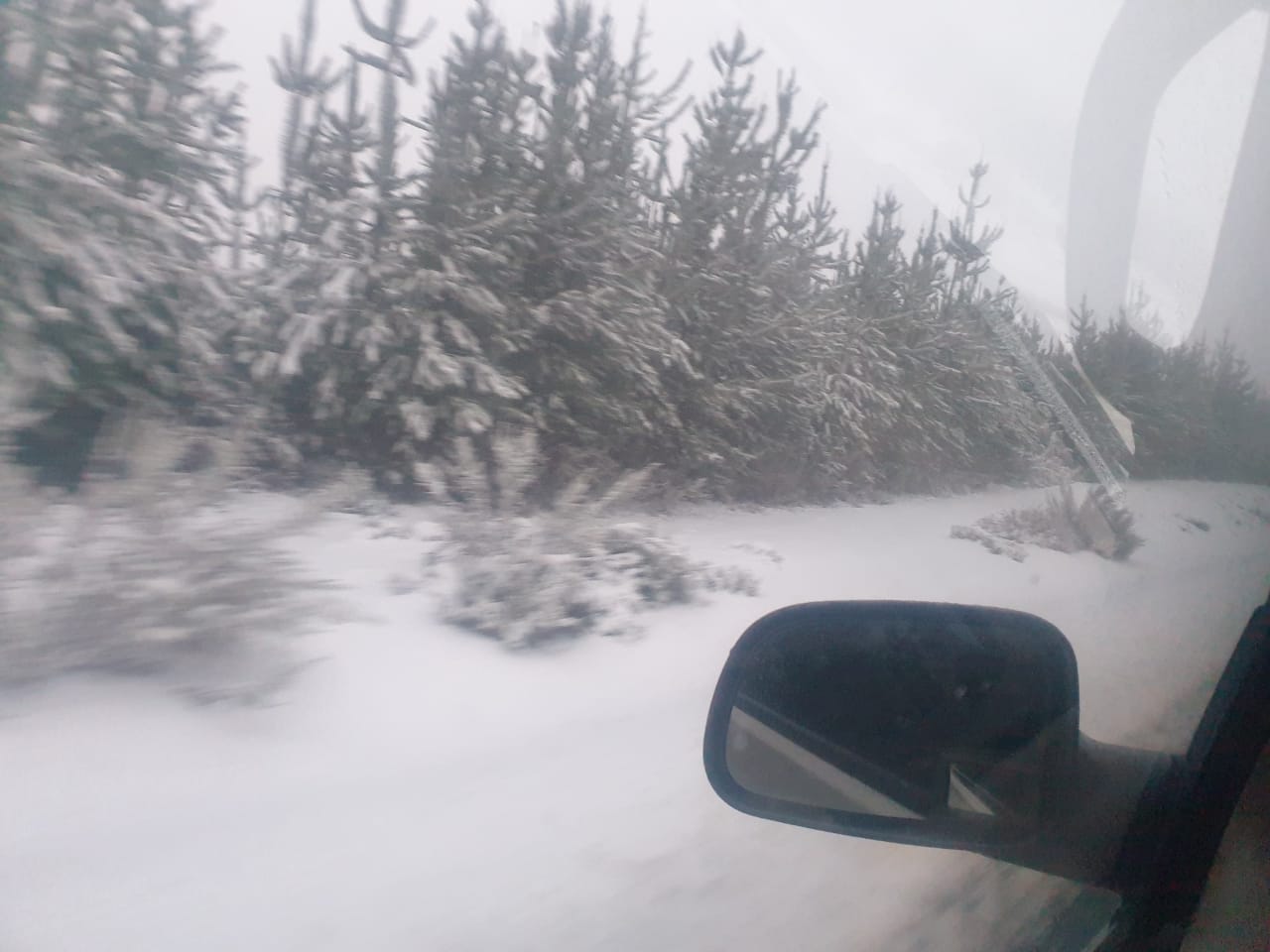
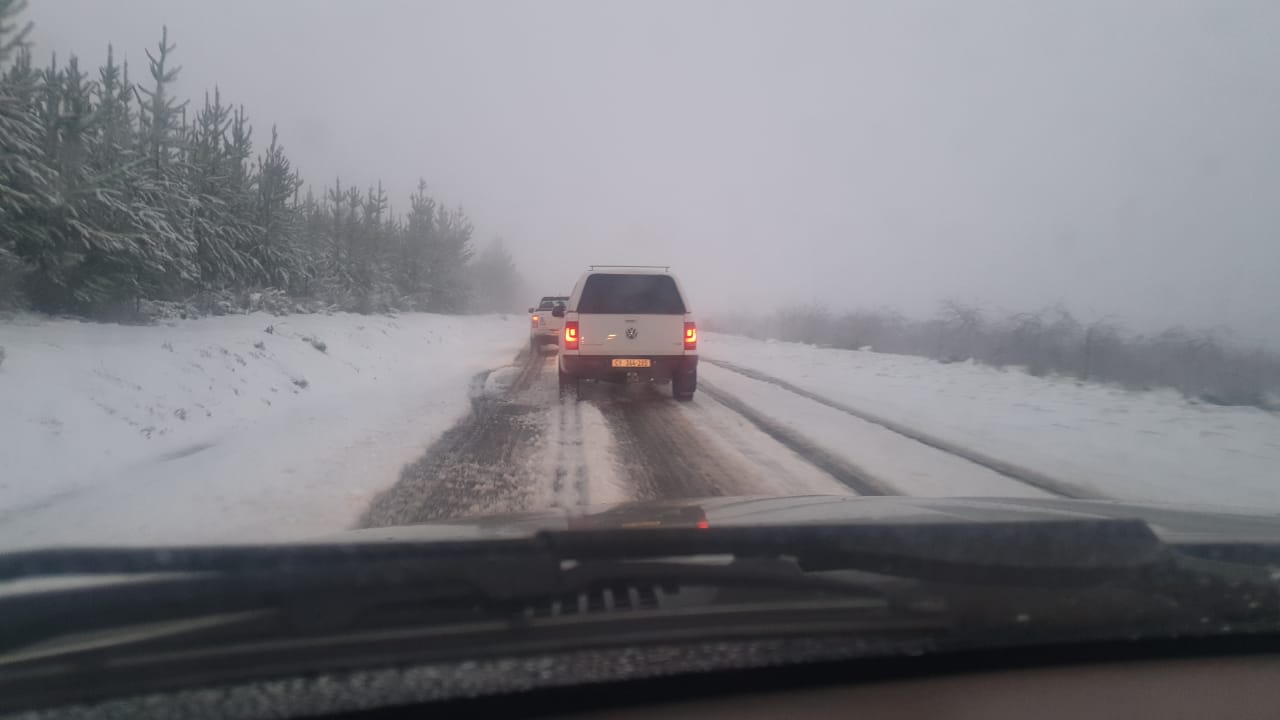
The Drive Back
By the time we turned around, the valley below had warmed up and the snow line had retreated slightly up the slopes. The Rawsonville stretch that we’d driven blind at 4 AM looked completely different in daylight — green and golden and exactly as scenic as it should be. We actually pulled over.
The Du Toitskloof Pass was next. In daylight. Which is how it should be done.
Matroosberg is one of those trips where the alarm is the hardest part. Everything else is easy.