There are two ways to learn how to drive off-road. The first is to wing it somewhere remote and figure it out the hard way. The second is to find people who actually know what they’re doing and pay attention. In April 2021 we did the second — twice.
Two sessions, two very different environments, one steep learning curve. Both were run out of the Cape, both humbling in their own way.
Session 1 — Zevenwacht Wine Farm 4x4 Track | 4 April 2021
Hosted by All Terrain Adventures
The Zevenwacht Wine Farm in the Bottelary Hills doesn’t look like 4x4 country from the outside. Vineyards, a restaurant, a wine cellar — it reads like a weekend away. But tucked behind the estate is a proper technical track cut into the hillside, and on a clear autumn morning it showed us exactly how much we didn’t know.
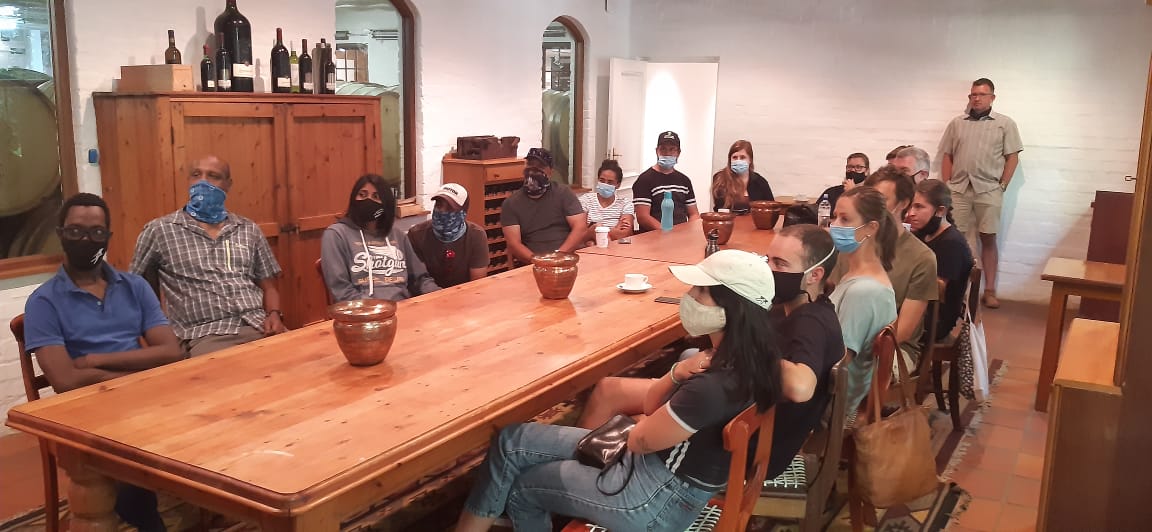
Before anyone turned a wheel, the day started inside — around a long table under heavy wooden beams, chalk on a board, and a lot of attentive faces. Theory first. Tyre pressure tables, the difference between diff locks and traction control, what low range actually does and when to engage it. The kind of stuff that gets skipped when you learn by doing and then gets you stuck somewhere inconvenient.
Then it was outside onto the hillside track. The instructor — true to the barefoot spirit — kept things calm and methodical. Watch the line, not the bonnet. Commit or don’t go.
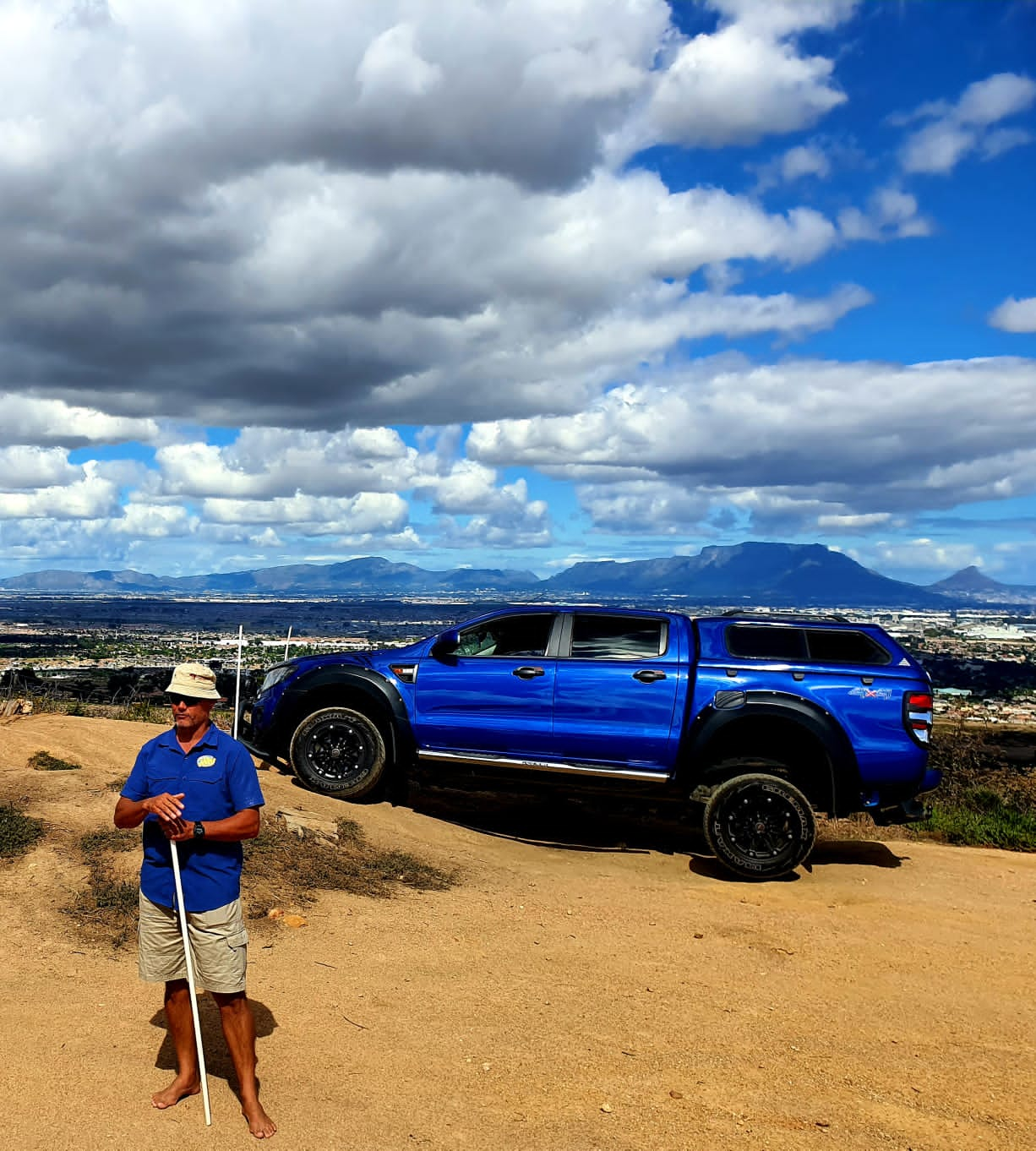
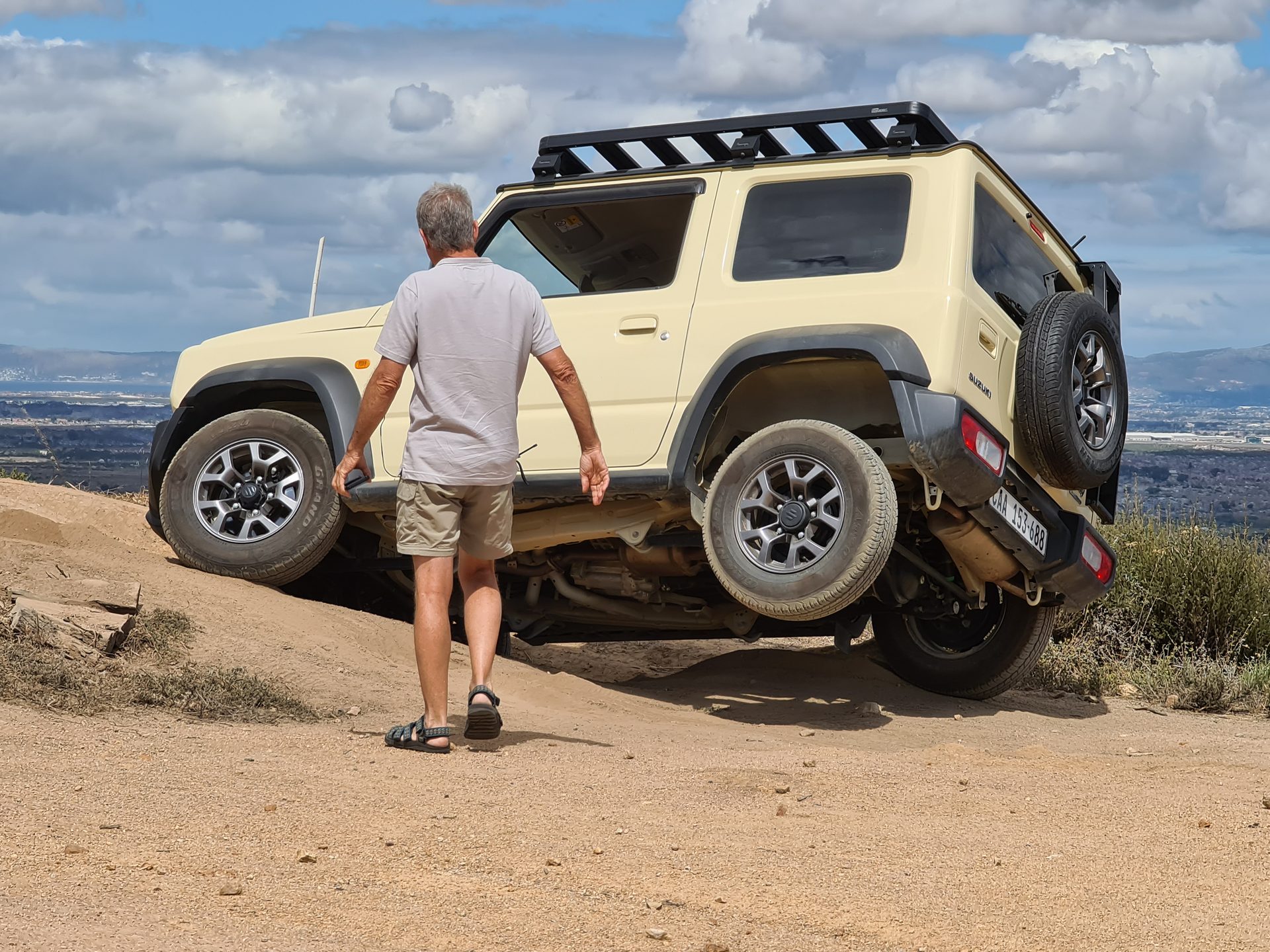
The instructor from All Terrain Adventures kept things calm and methodical. Watch the line, not the bonnet. Commit or don’t go. The terrain is a mix of sandy climbs, off-camber sections, and loose drop-offs that look worse from the driver’s seat than they probably are. “Probably” doing a lot of work there.
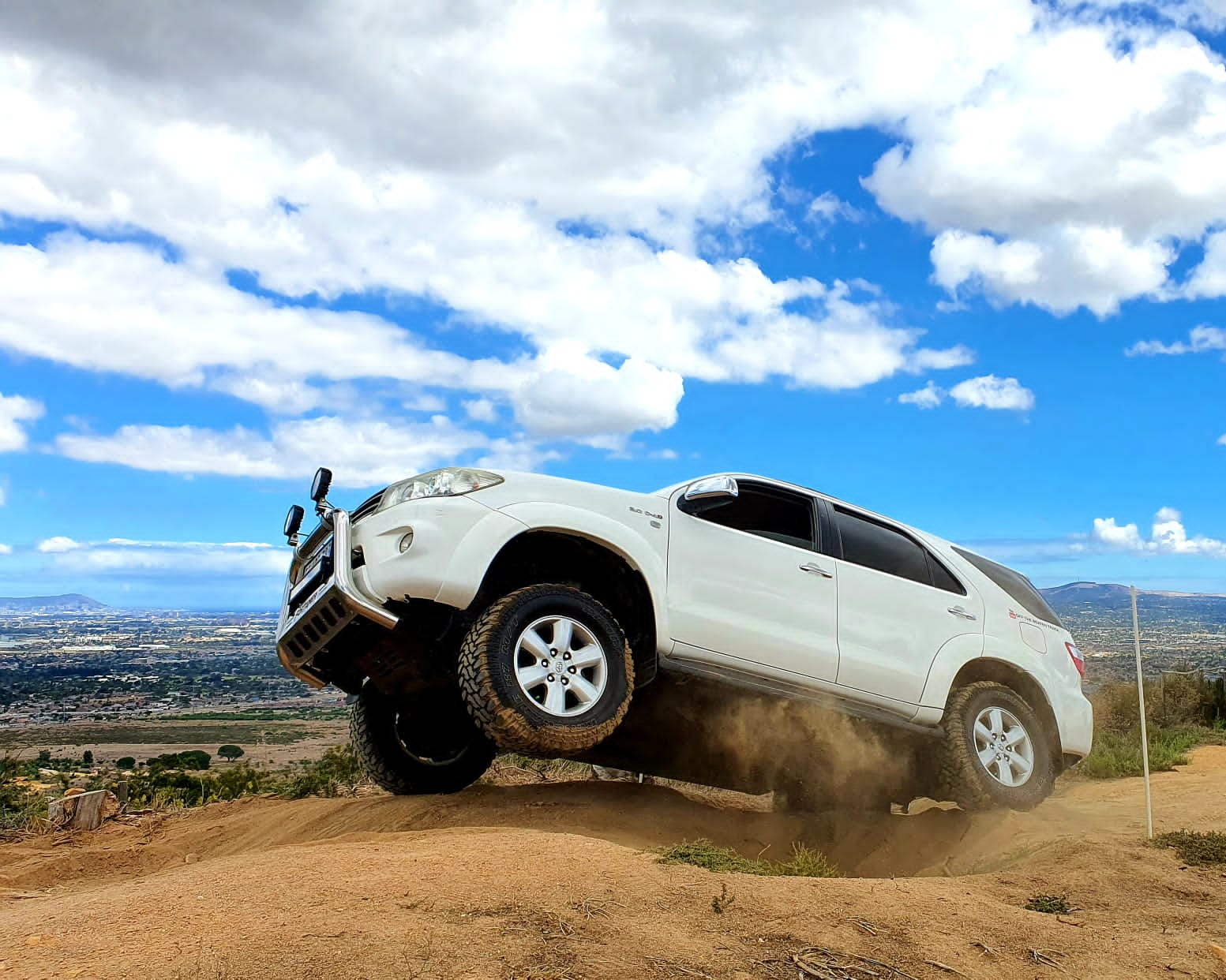
The track is built for technical work rather than mud or rocks, so it was about reading the ground, picking the right line, and trusting the vehicle to do what it was built to do. The hardest part isn’t the driving — it’s resisting the urge to overcorrect. Slow down. Let the tyres find grip. Breathe.
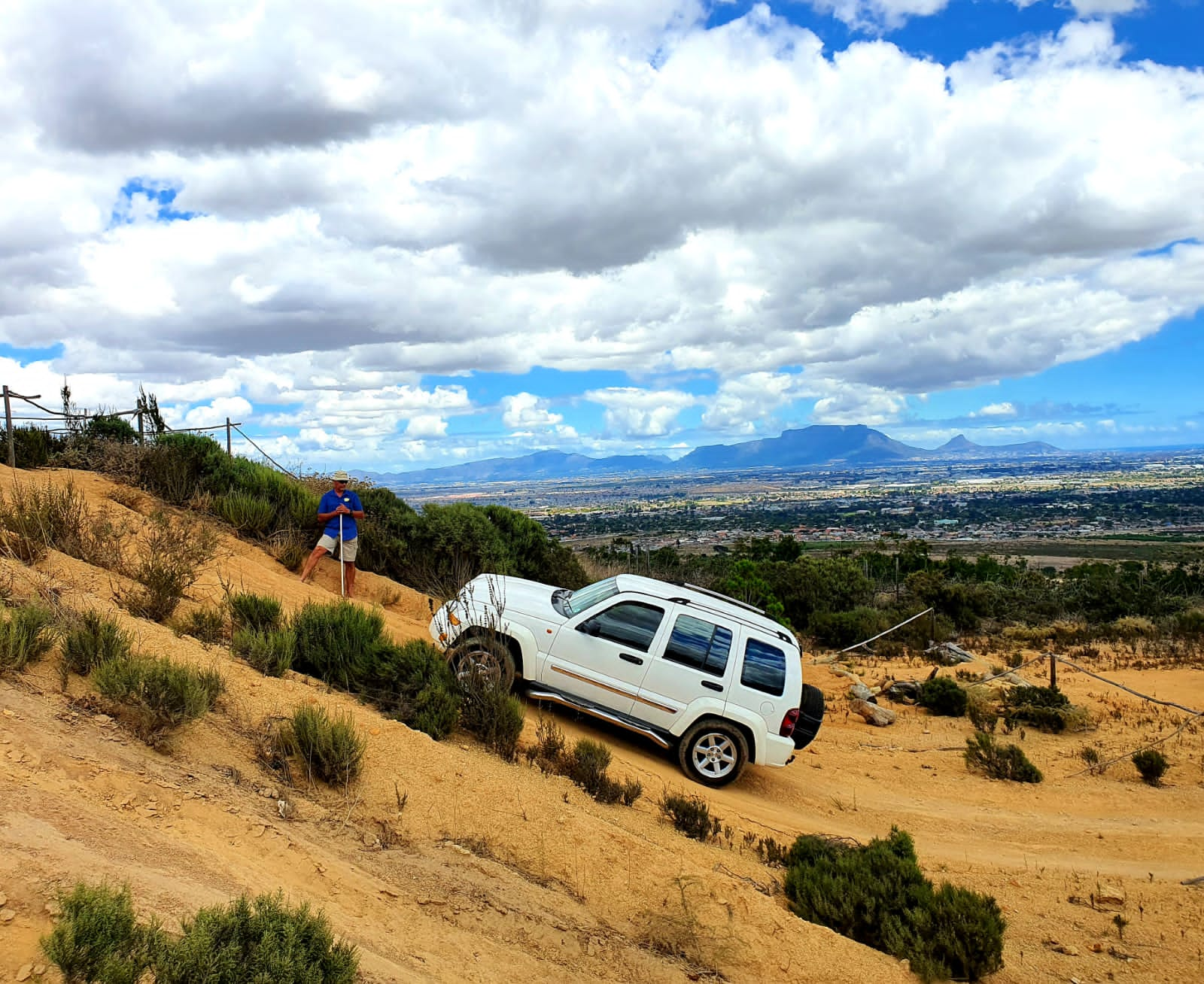
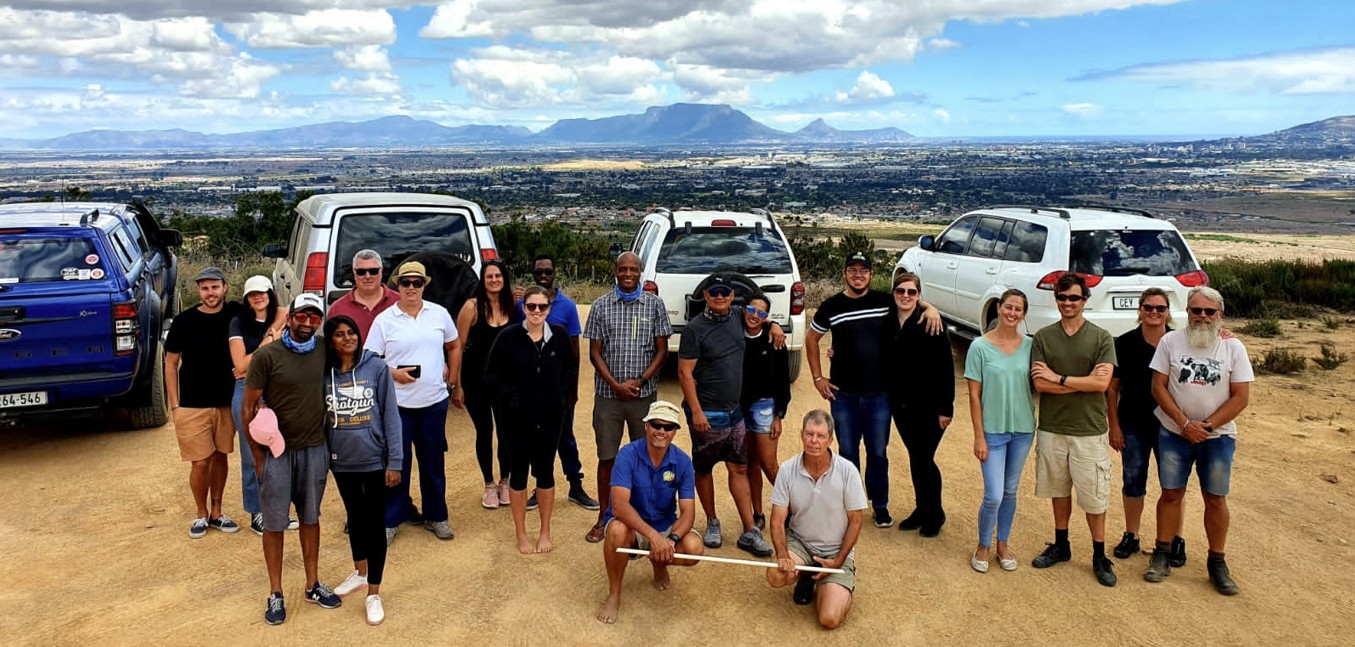
The view from the top of the track doesn’t hurt either. False Bay on one side, the Bottelary Hills rolling out in every direction. Table Mountain sitting perfectly on the horizon as it always does, watching everything. It’s a strange combination — the smell of wine country and the scrape of diff plates on granite — but it works.
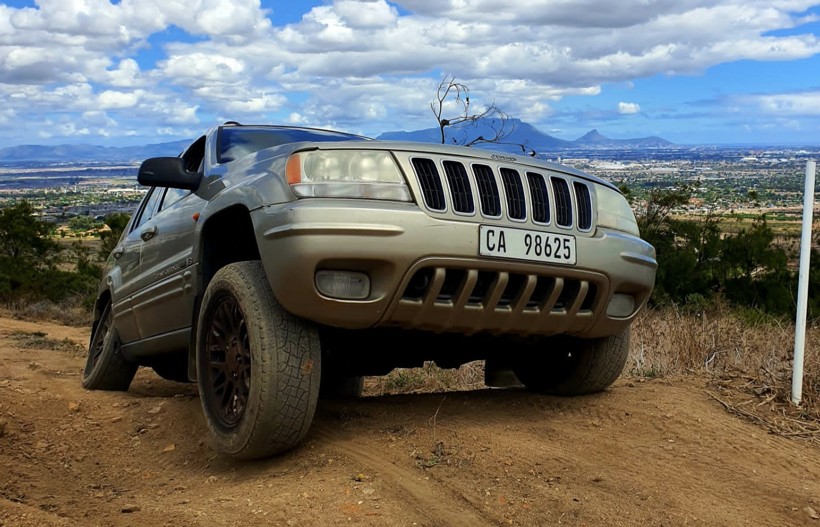
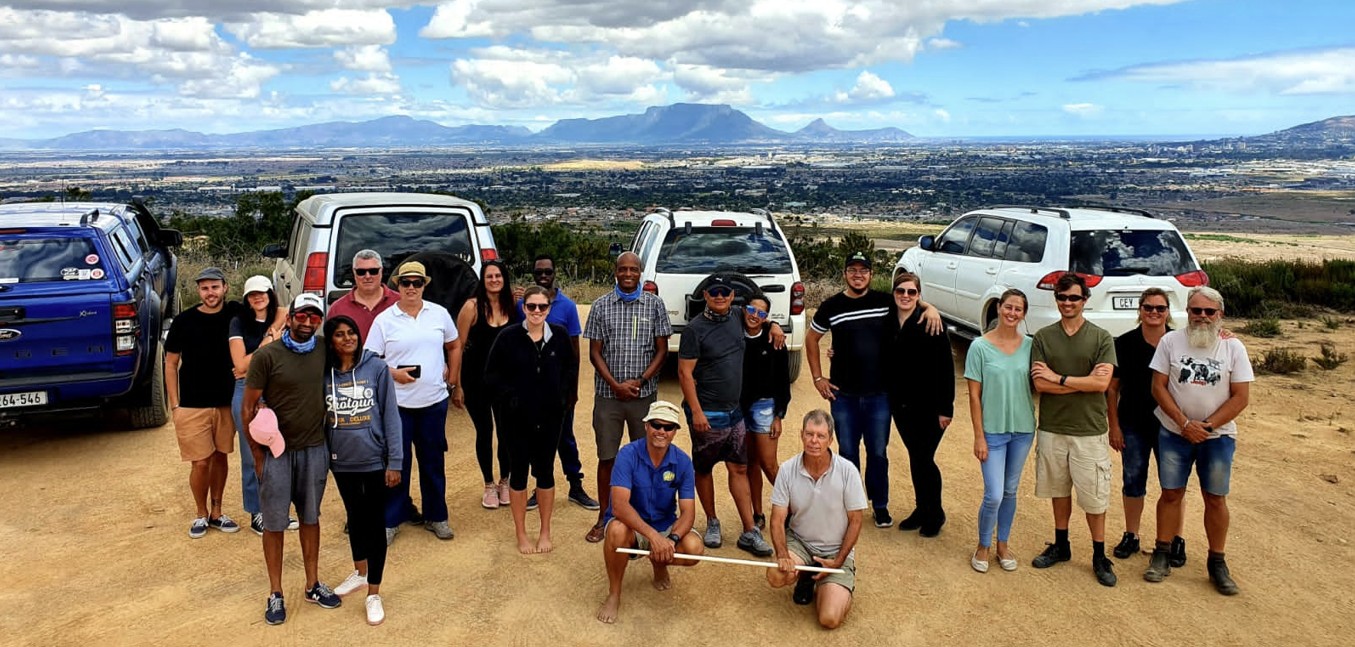
There were a solid mix of vehicles on the day — bakkies, SUVs, a couple of older built-up rigs — and watching different set-ups navigate the same section was useful in itself. Same track, same instructor, very different approaches from behind different steering wheels.
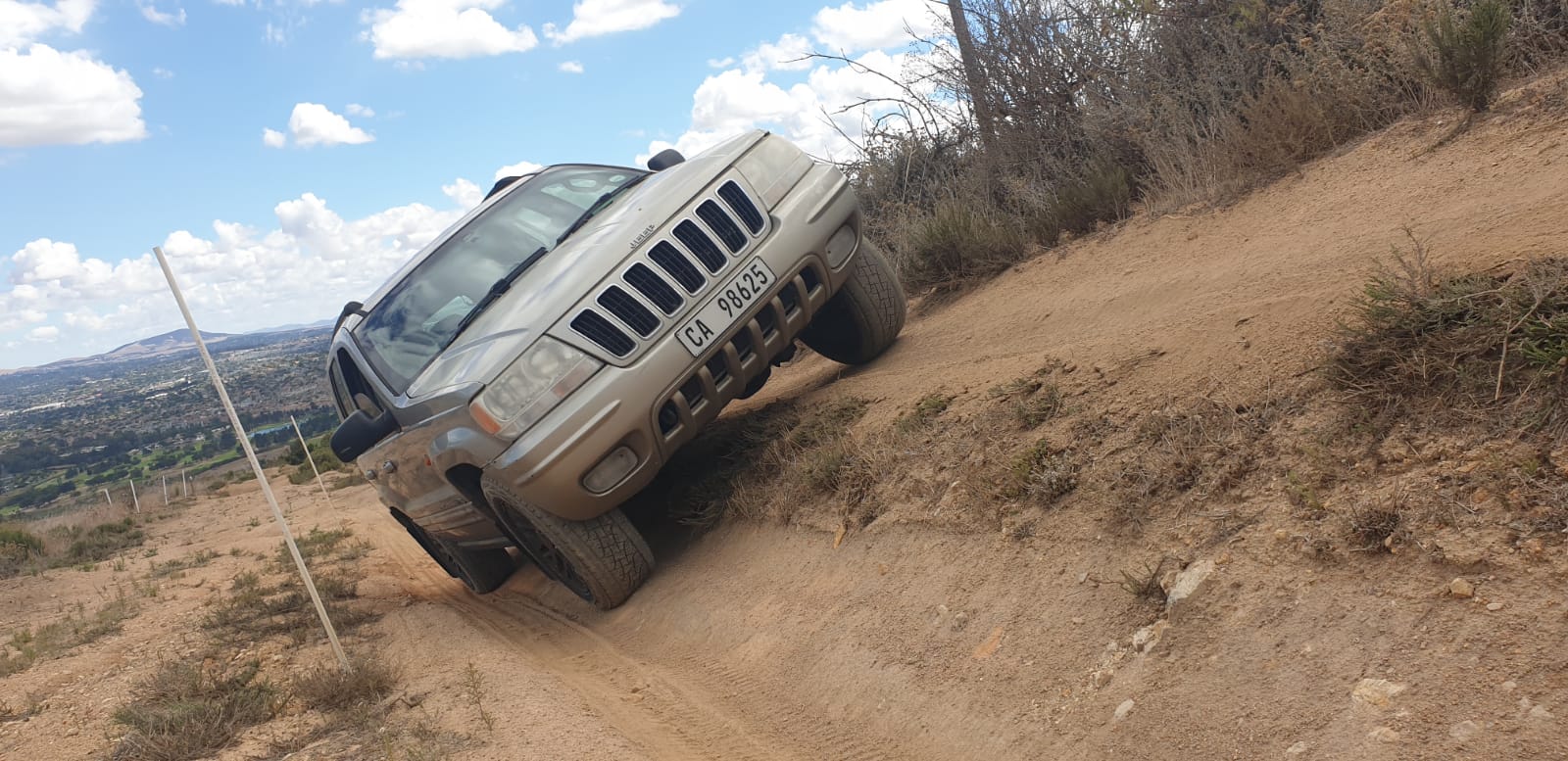
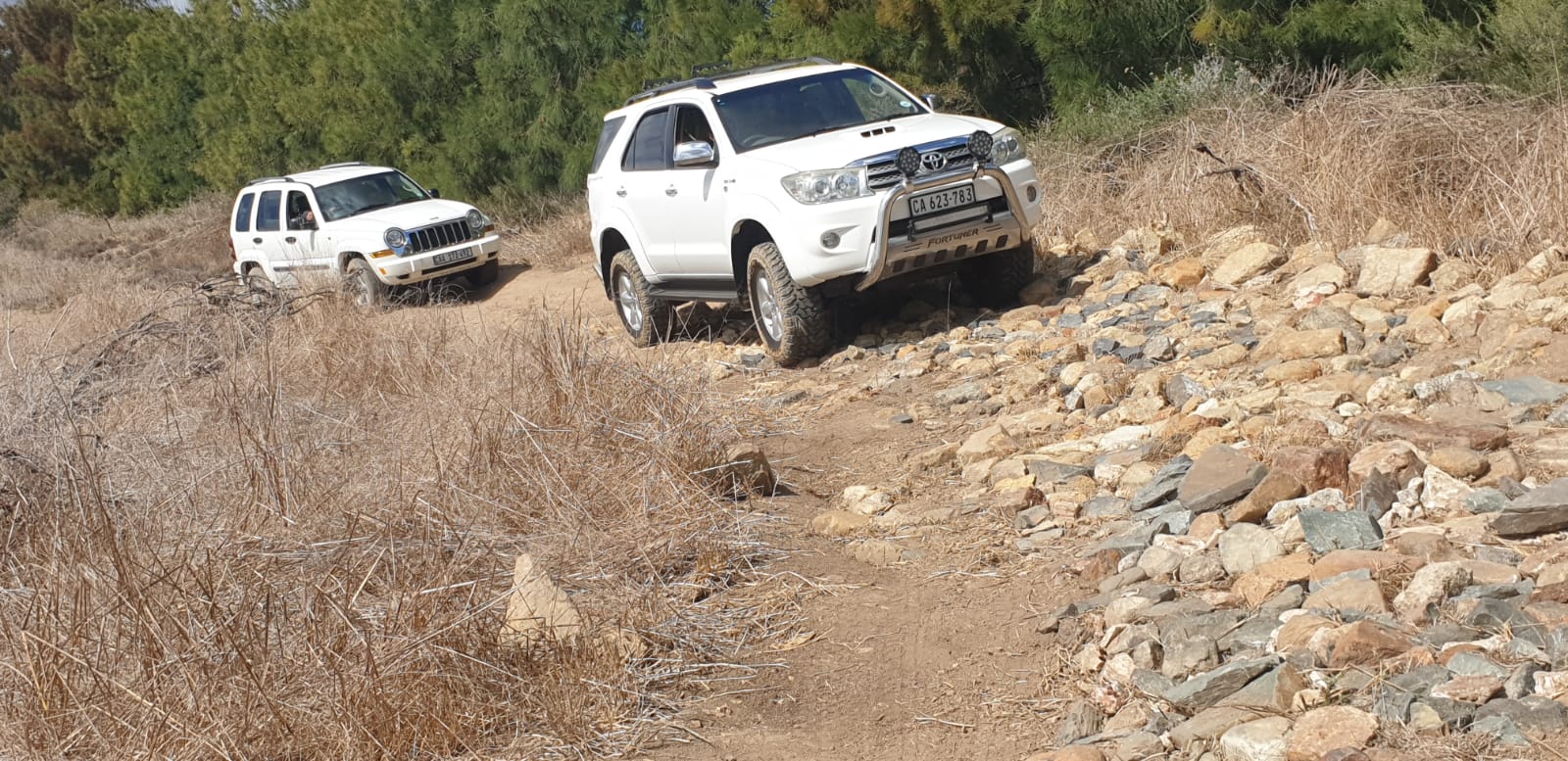
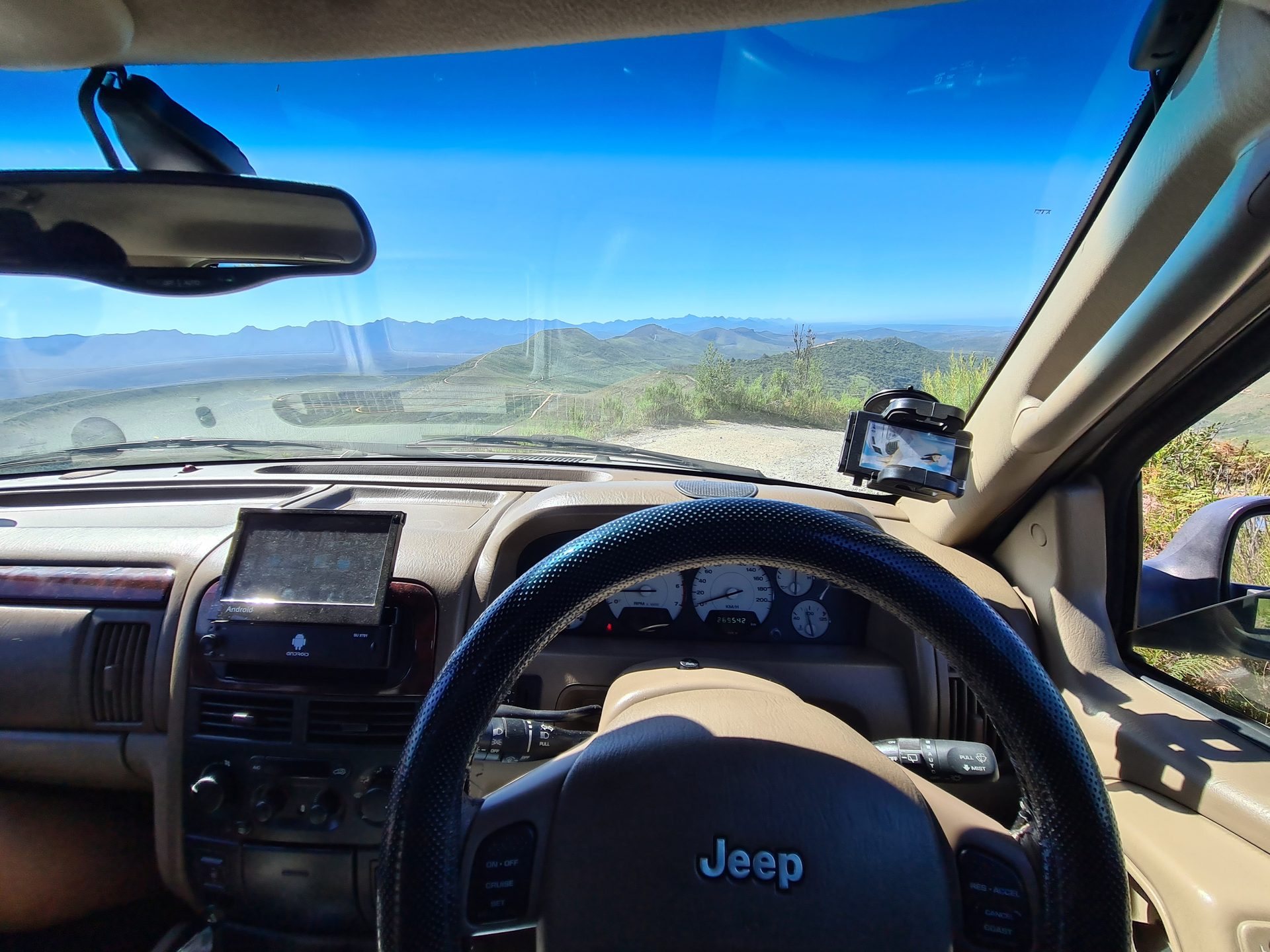
Key takeaways from the day:
- Tyre pressure is not optional. We dropped to around 1.4 bar on the rocky sections and the difference was immediate. The tyres wrapped around the rocks rather than bouncing off them.
- Low range is your friend. High range on technical terrain is just stubbornness.
- Look further ahead than you think you need to. The approach to an obstacle matters as much as the obstacle itself.
Session 2 — Atlantis Dunes | 18 April 2021
Hosted by Kaalvoet Swys Adventures
Two weeks later, same province, completely different planet.
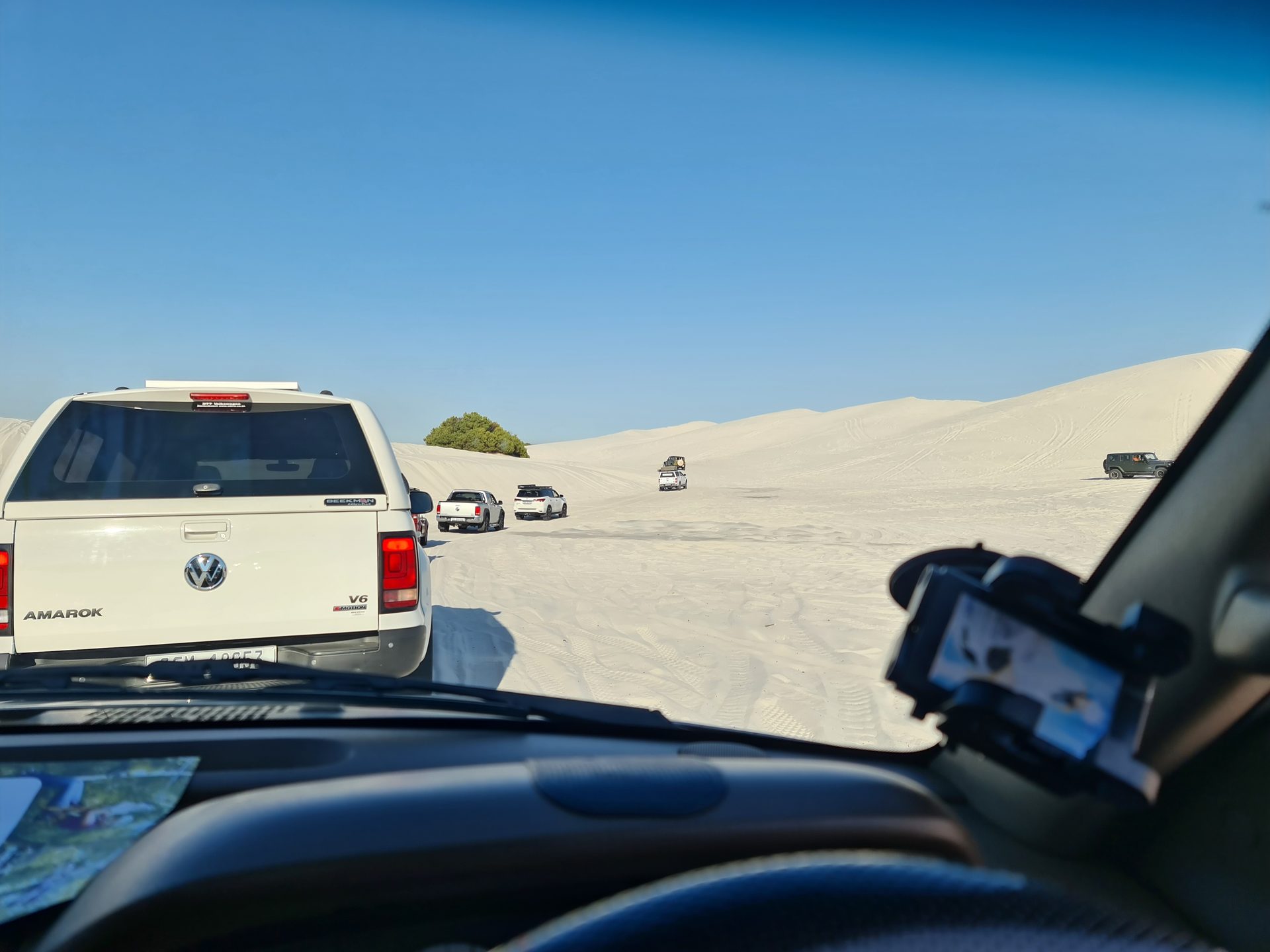
Sand driving is its own discipline. Everything you learned on rocks — go slow, pick your line, don’t rush — gets qualified with a hard asterisk: unless you need momentum. At Atlantis the dunes punish the hesitant and reward the committed.
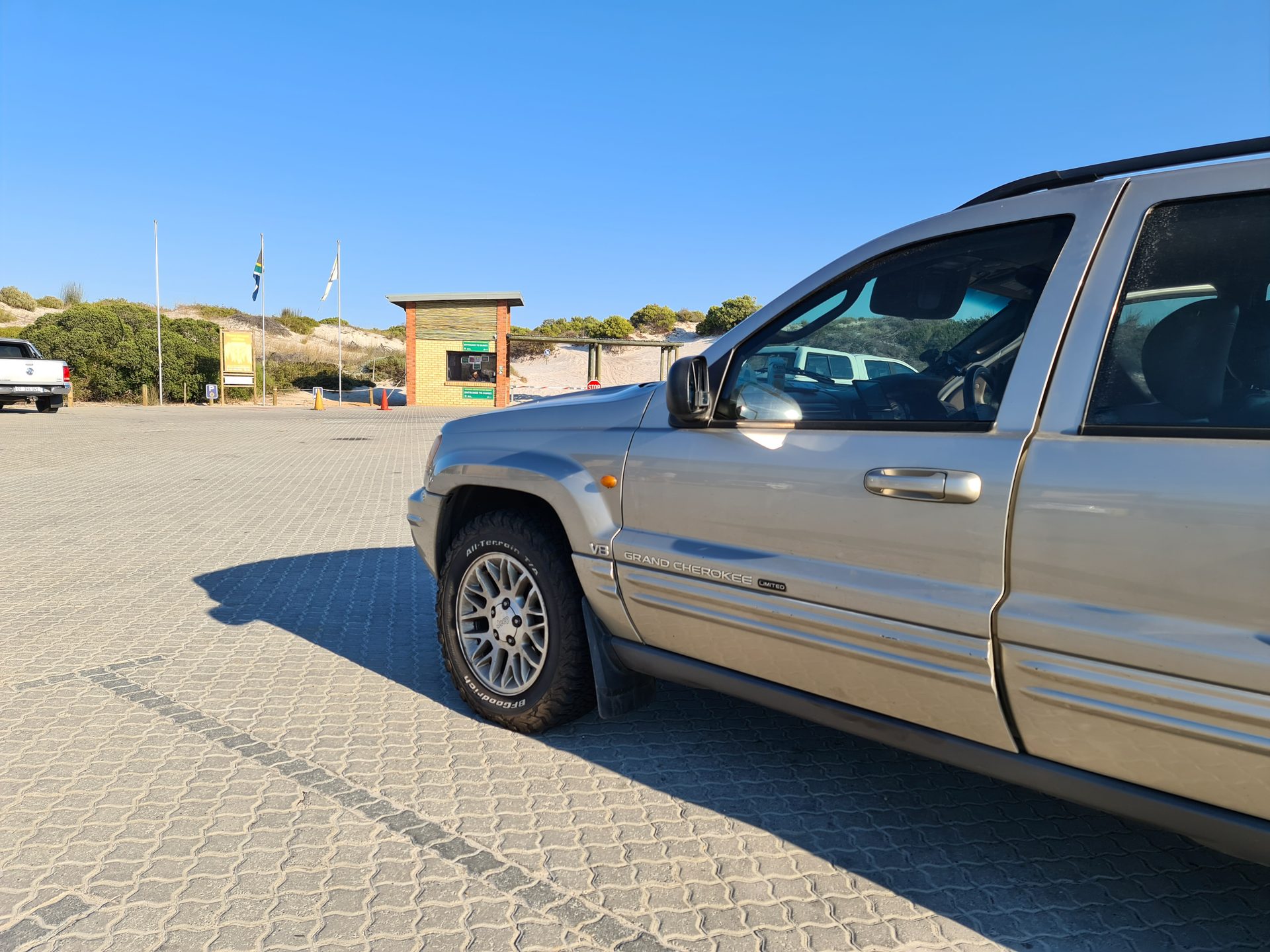
Atlantis Dunes sits on the West Coast just north of Cape Town. On a clear day you can see Table Mountain from the ridgeline, which makes for a particularly Cape Town kind of surreal — big sand dunes, ocean air, and one of the world’s most recognisable mountains sitting on the horizon like it’s watching.
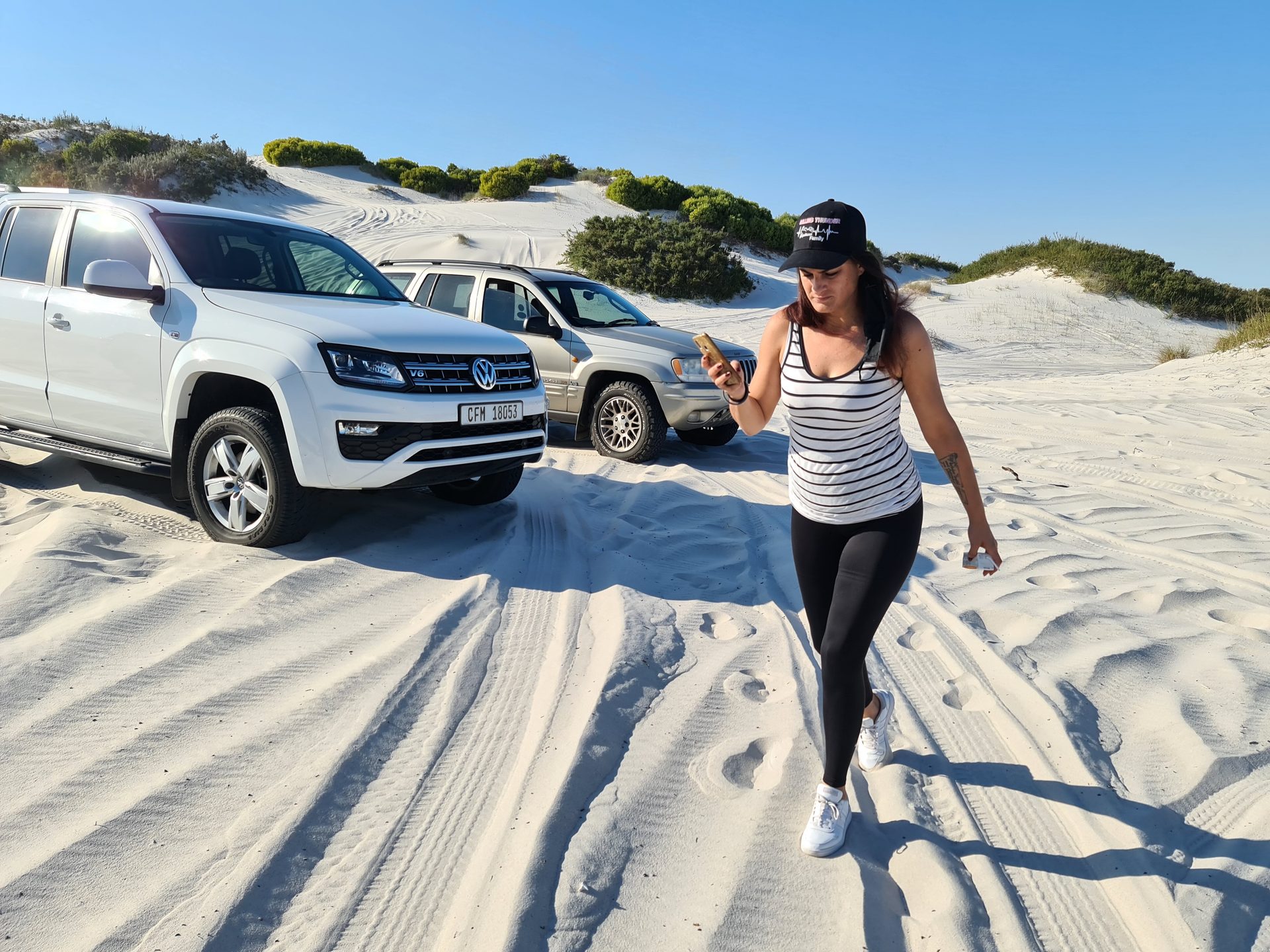
Kaalvoet Swys (“barefoot tracks”) ran a tight operation. Briefing at the gate, tyre pressures checked before anyone moved, clear hand signals for the convoy. On sand you run lower than you think — we were down to around 1.0 bar — and the vehicles transformed. The Prado floated where it would have dug on harder pressure.
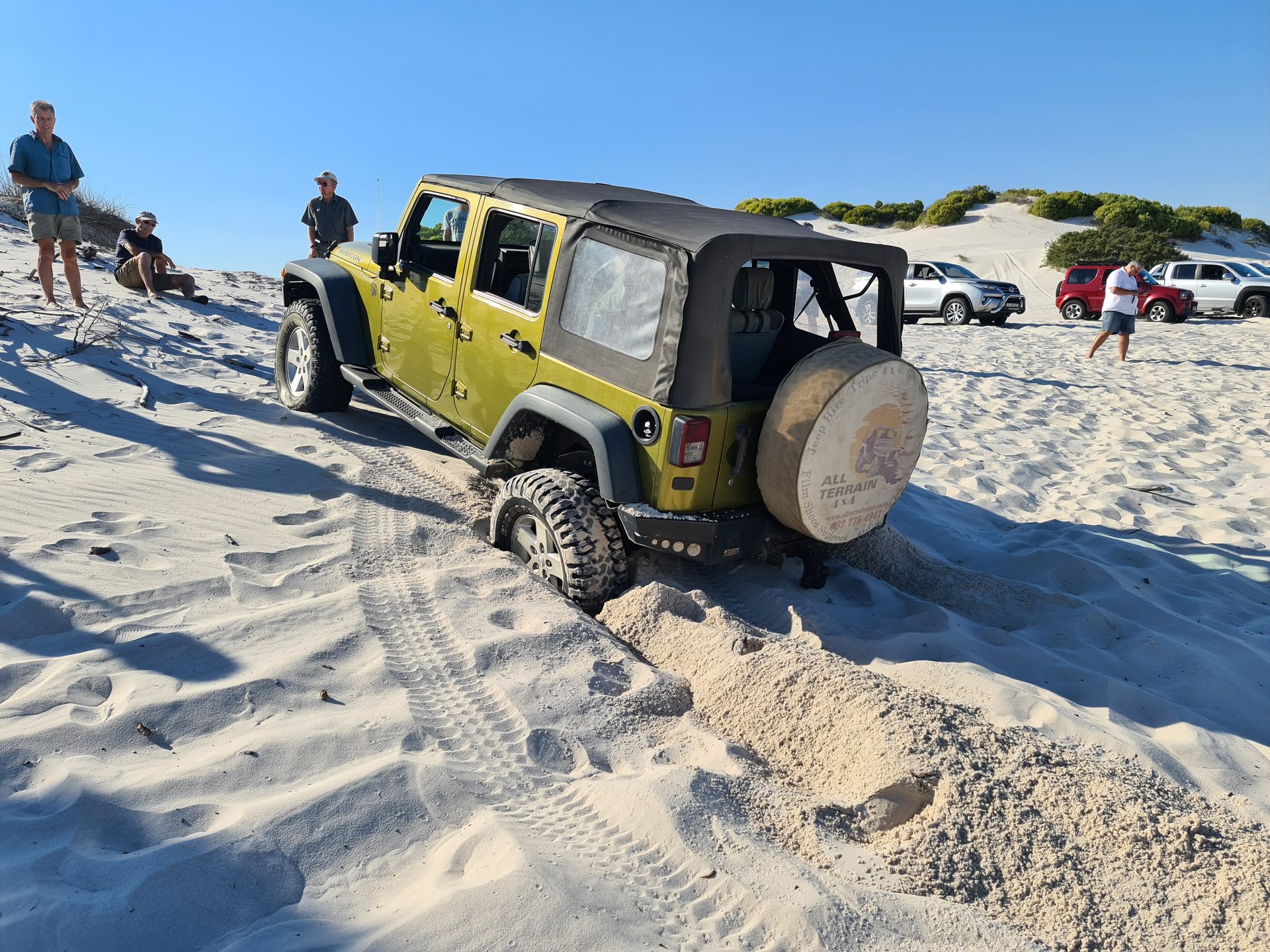
The dunes at Atlantis vary from rolling open stretches to steep faces that require a proper run-up. The instructor talked us through the technique for cresting a blind dune safely — approach at an angle, not straight on; keep moving over the crest; don’t stop on the face. Easy to understand. Harder to execute when the sand is soft and the dune is taller than your bonnet.
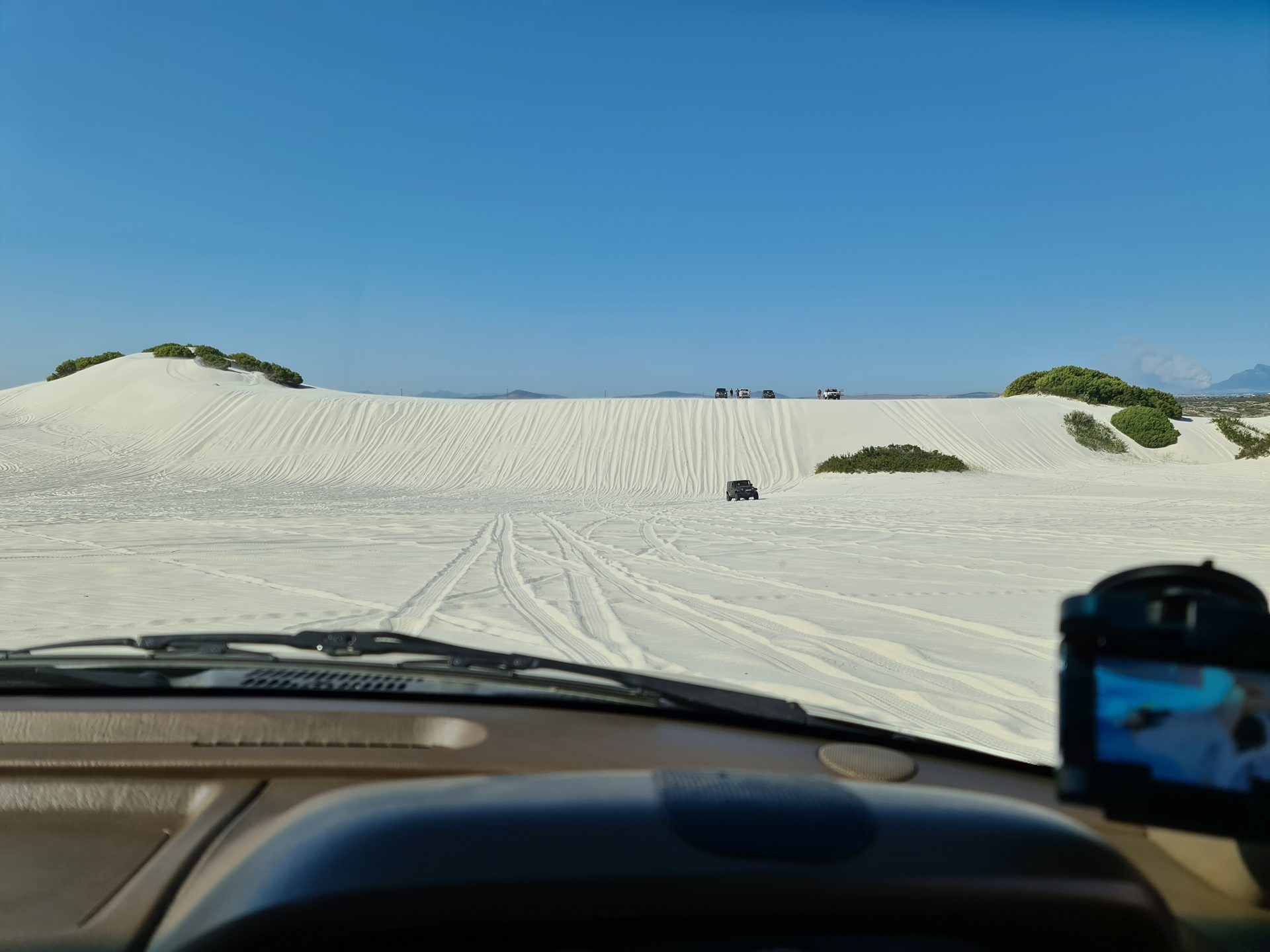
There were several vehicles on the day — a mix of bakkies and SUVs, some more built up than others. Watching different set-ups tackle the same line was useful in itself. The heavily equipped vehicles had momentum on their side on the flats but worked harder on the loose faces. The stock vehicles with good tyre pressures and committed drivers did just fine.
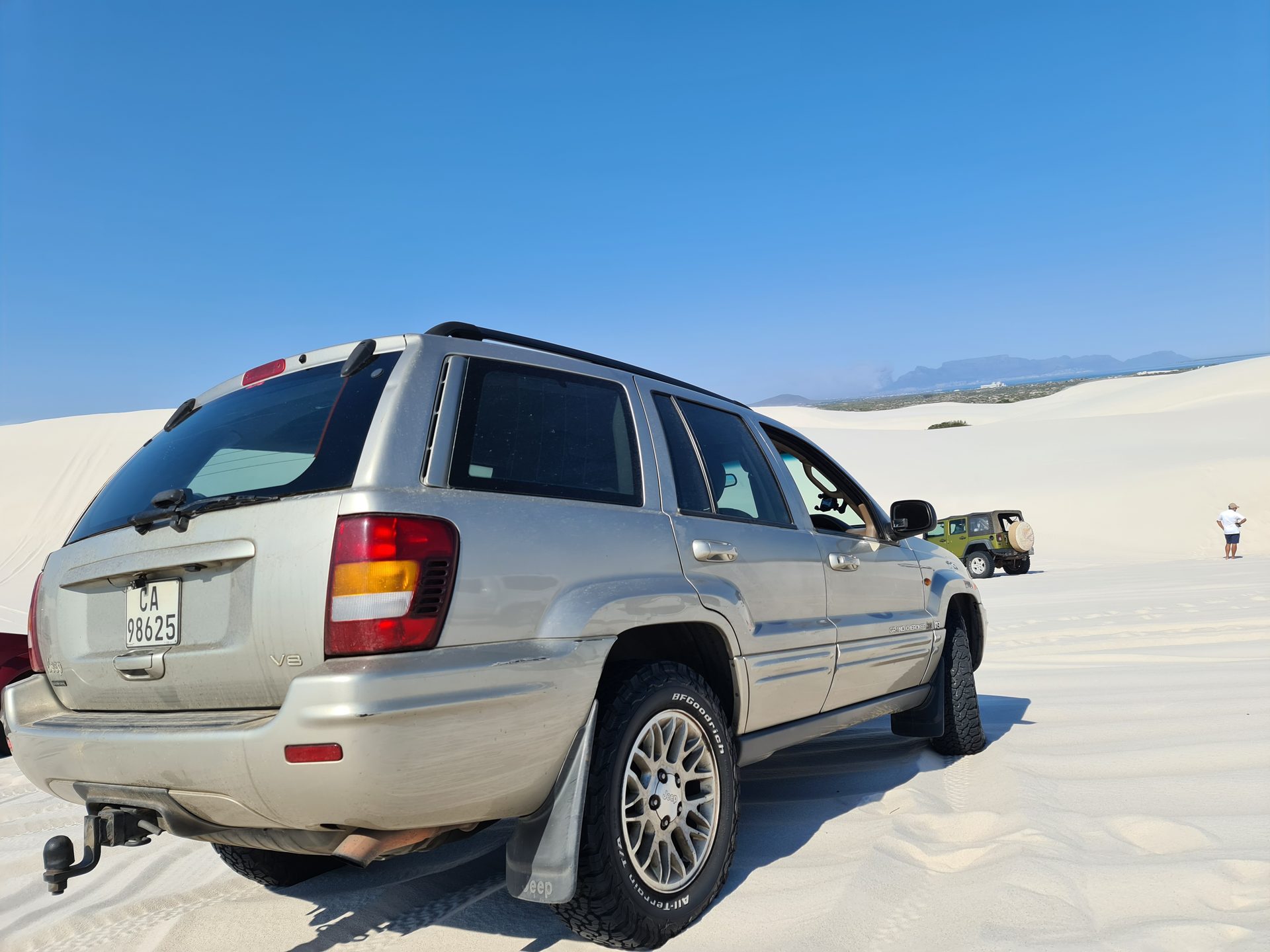
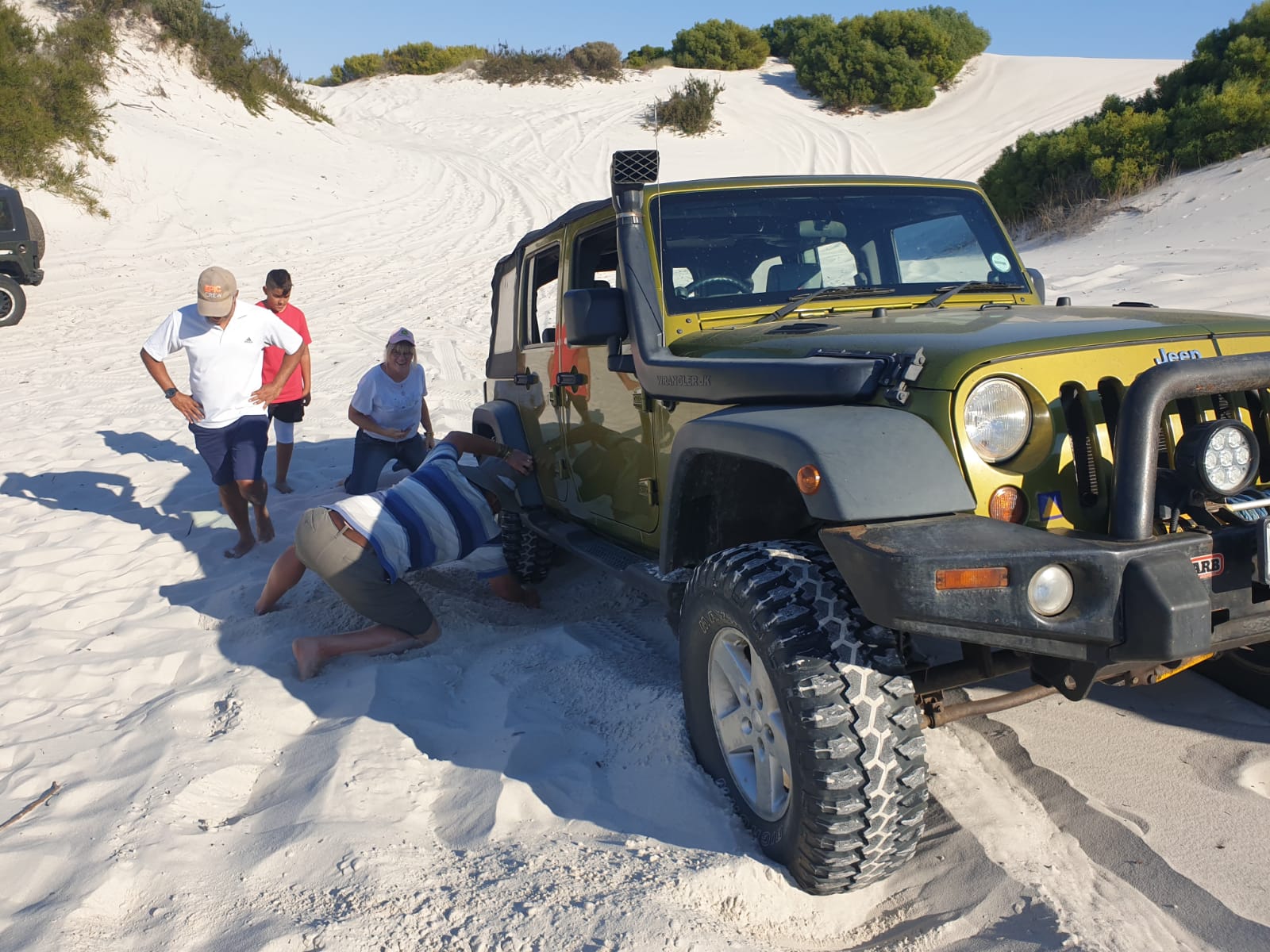
There were a couple of stuck moments — not us, thankfully, not on this day — and the recovery process was calm, methodical, and educational. Snatch strap attached at the recovery point, driver ready in gear, one pull. No drama. That’s how it’s supposed to work.
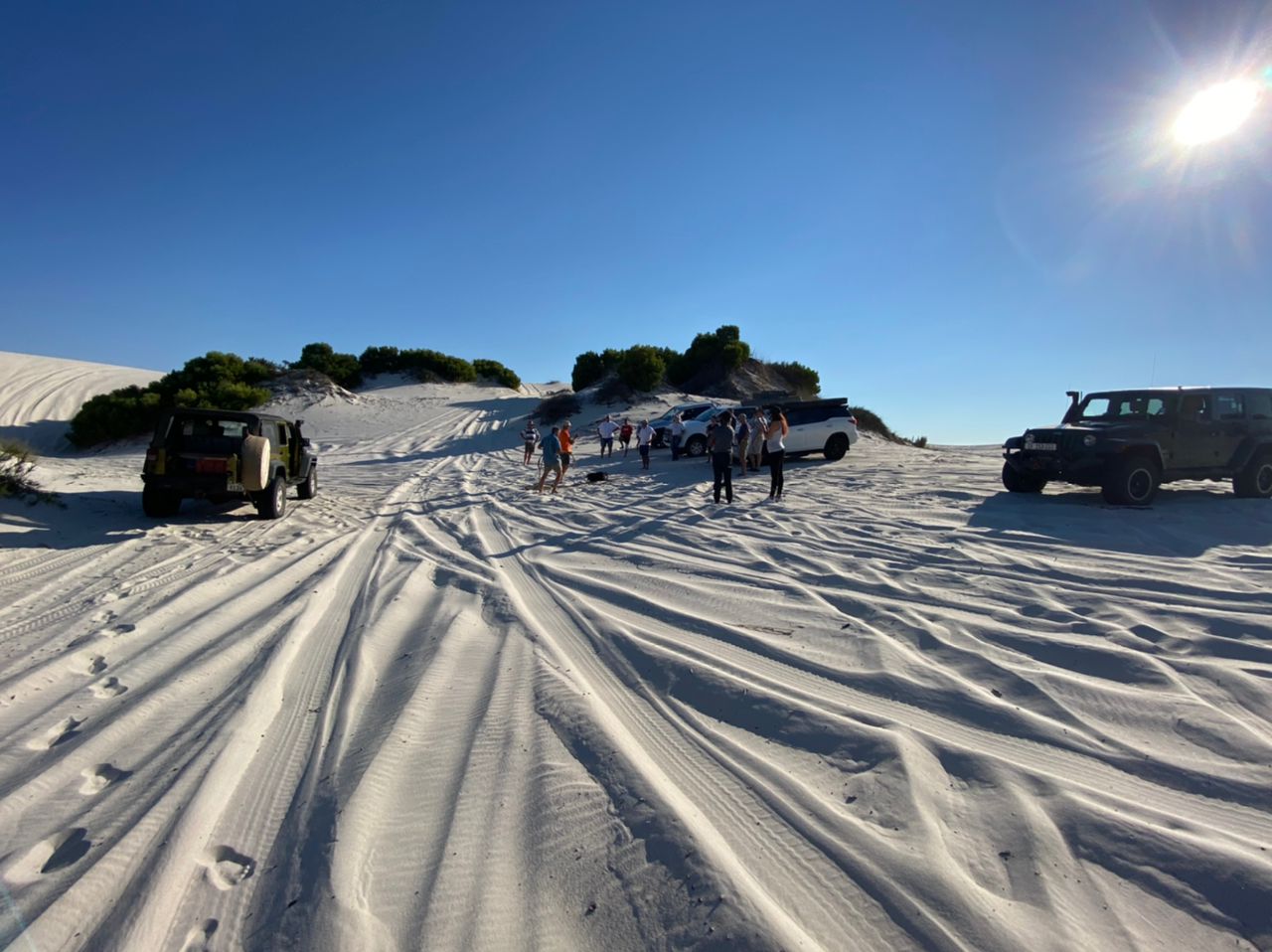
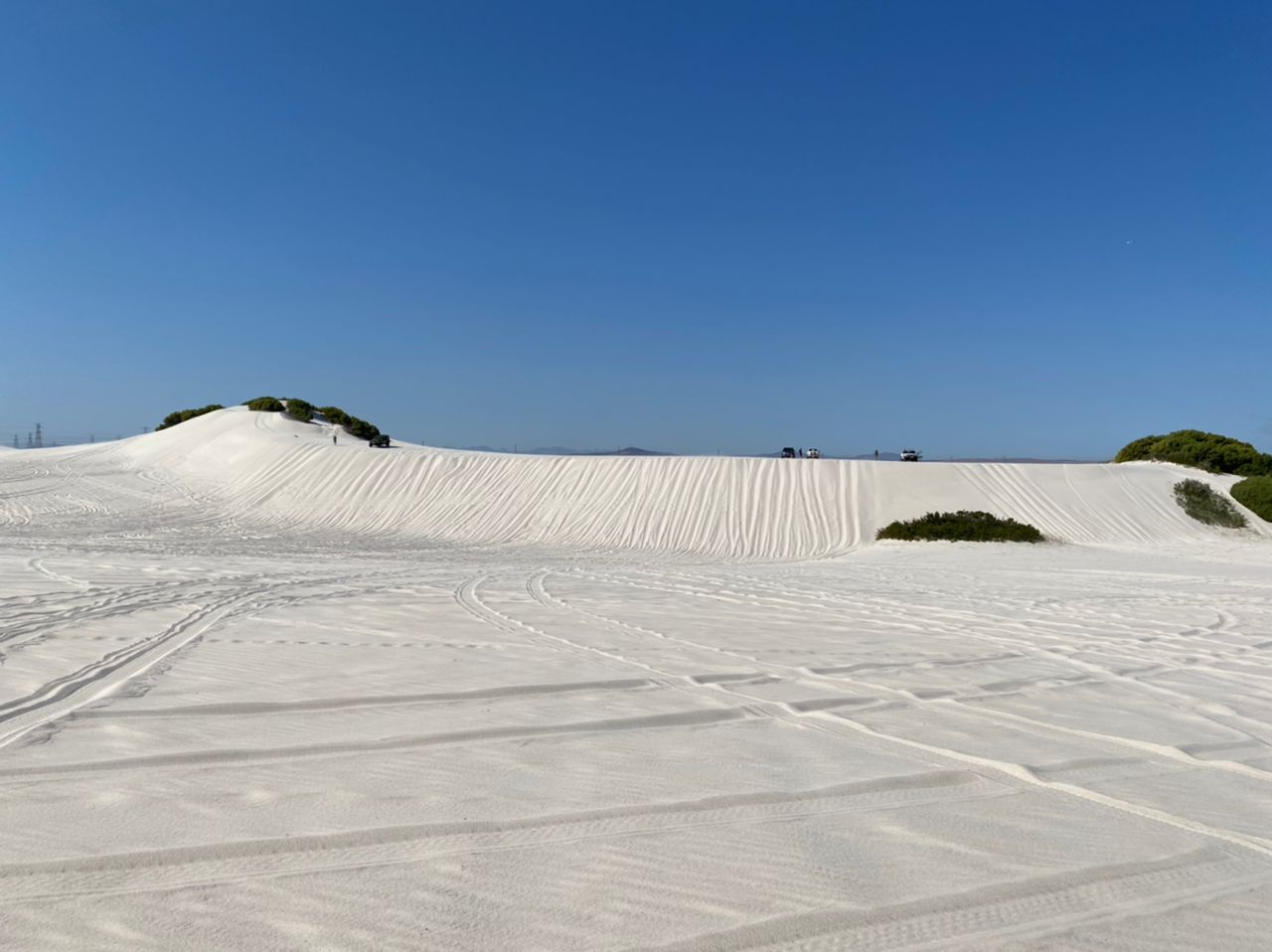
By late morning the sand was warming up and the soft faces were getting softer. We called it after a few final runs and deflated back to road pressure at the exit — another step in the post-drive routine that’s now second nature.
What We Learned
Two sessions, two surfaces, a lot of the same fundamentals:
- Tyre pressure is the biggest single variable you control. Get it wrong and nothing else compensates.
- Smooth is fast. Aggression wastes traction. Calm, deliberate inputs keep the vehicle doing what you want.
- Know your recovery gear. Having a snatch strap in the back is not the same as knowing how to use it properly.
- Training is money well spent. Both instructors had years of experience on their home terrain and the difference between their teaching and a YouTube video is that they can see what you’re doing wrong in real time.
The Prado handled both sessions without complaint. The next step was finding terrain where we could actually put all of this to use — but that’s a story for another post.
The full video from the Atlantis Dunes session is on the channel — watch it here.